
Add Row
Add Element
cropper
update
Industrial Plastic Supply
Powered by Industrial Plastic Supply Media
update
Add Element
  • Home
  • Categories
    • clear plastic sheets
    • plexiglass sheets
    • high density plastic
    • perspex plexiglass
    • polyvinyl chloride pipes
    • poly carbonate
    • lucite sheets
January 28.2026
1 Minute Read

Why Is ISO Certification Important for Plastic Material Suppliers? Answers You Need

Did you know that over 60% of manufacturing defects in plastic products can be traced back to uncertified suppliers? Understanding the importance of ISO certification plastics is critical for ensuring product quality and operational excellence

What You'll Learn

  • The definition and significance of ISO certification in the plastics industry
  • How ISO certified plastic manufacturers enhance product quality and traceability
  • The impact of ISO standards on operational efficiency and customer satisfaction
  • Best practices for selecting certified plastic suppliers
  • Common misconceptions about ISO certification and plastic manufacturing

Understanding ISO Certification and Its Role in Plastic Manufacturing

What is ISO Certification?

ISO certification represents a globally recognized set of standards designed to ensure quality, safety, efficiency, and consistency within manufacturing processes. Specifically, in the plastics industry, obtaining ISO certification means that a manufacturer adheres to rigorous criteria that govern production, quality control, and documentation. It is a commitment to meeting international standards that boost product reliability and regulatory compliance.

While consumers often think of plastic products as everyday items with variable quality, plastic manufacturers that are ISO certified demonstrate a higher degree of control over their processes, ensuring each batch of materials meets stringent specifications. This ultimately translates into superior performance and fewer defects in the final plastic products used across industries.

ISO certification plastics - Quality inspector holding ISO certificate in a clean modern plastic manufacturing environment

Why ISO Certification Matters for Plastic Manufacturers

Hayden Hess, of Industrial Plastic Supply, explains, “Being ISO certified means that we do the processing, the paperwork, and ensure the quality materials you need are delivered consistently.” This statement underscores how certification extends beyond paperwork to involve meticulous control over both the manufacturing workflow and the associated documentation.

In sectors reliant on plastics—such as aerospace, automotive, and medical devices—the reliability of materials can never be compromised. ISO certification demonstrates that a plastic manufacturer is accountable for producing materials that consistently meet required standards, reducing risk and enhancing confidence for their customers across critical applications.

How ISO Certified Plastic Suppliers Ensure Quality and Traceability

Lot and Batch Traceability in Plastic Products

One of the key advantages of working with ISO certified suppliers revolves around traceability. We live in an era where transparency in the supply chain can mean the difference between operational success and costly recalls. Certified suppliers assign lot and batch numbers to their plastic materials, which can be traced directly back to their origin, manufacturing date, and processing parameters.

This traceability is essential not only for quality assurance but also for compliance with regulatory demands. Manufacturers can verify that the materials they use come from trusted sources and meet specifications critical to their products’ safety and durability.
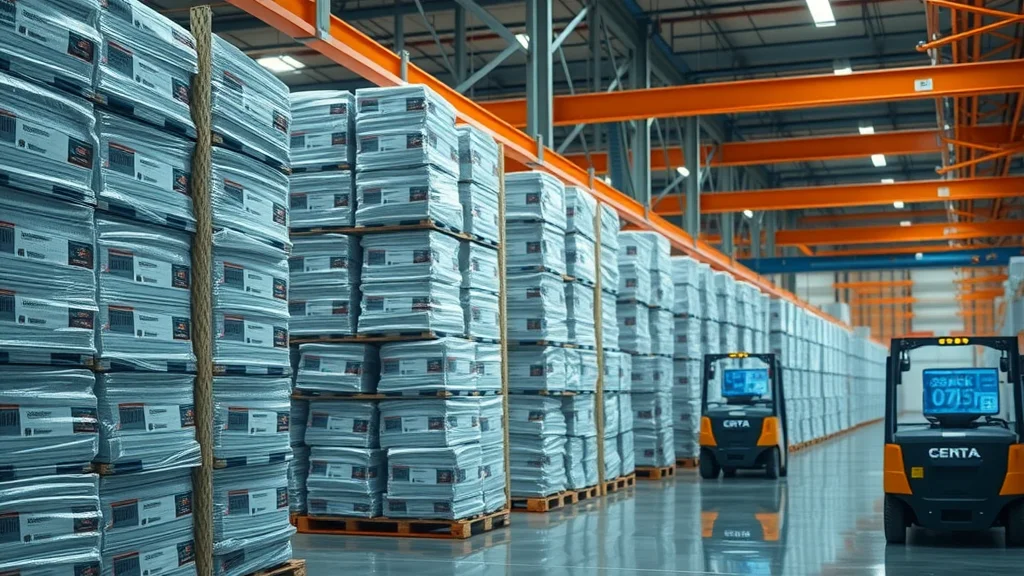
ISO certification plastics - High-tech warehouse with labeled plastic materials ensuring lot and batch traceability

According to Hayden Hess, “Many of our clients rely on our materials being American made, and that we can give them lot and batch traceability right back to the manufacturer. This ensures they're getting the quality material.” This assurance strengthens end-product integrity and builds trust within highly scrutinized industries.

Impact on Product Quality and Manufacturing Standards

The process of ISO certification integrates a comprehensive quality management system. This system establishes controls that monitor every step from raw material procurement to the final production phase. The result is a reduction in defects and enhanced conformity to manufacturing standards that elevate product quality.

By implementing these standards, manufacturers ensure that their plastic materials are consistent and reliable, minimizing variation that could compromise performance. This systematic approach is the foundation of meeting customer expectations and passing industry audits with confidence.
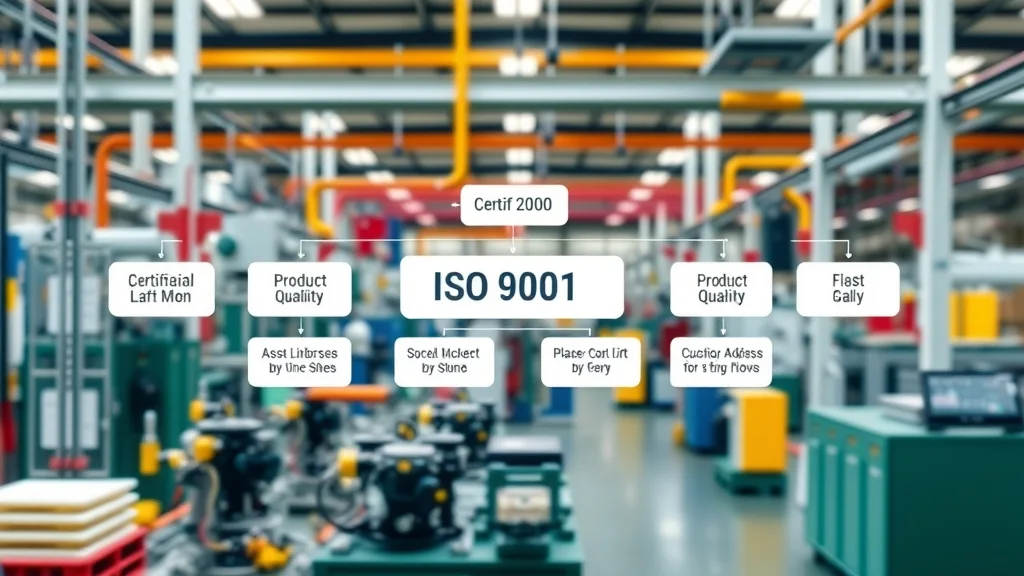
ISO certification plastics - Detailed flowchart illustrating ISO 9001 certification process enhancing product quality and customer satisfaction

Benefits of ISO Certification for Plastic Manufacturers and Customers

Enhancing Operational Efficiency

ISO certification streamlines manufacturing processes by enforcing standard operating procedures and continuous monitoring. This minimizes waste, reduces production delays, and lowers costs. Automated systems within certified plants are routinely audited to maintain compliance with ISO standards, ensuring materials are produced efficiently without sacrificing quality.

Operational efficiency gained through certification also allows manufacturers to scale production and meet tight delivery schedules, which is crucial in industries with fast turnaround demands.
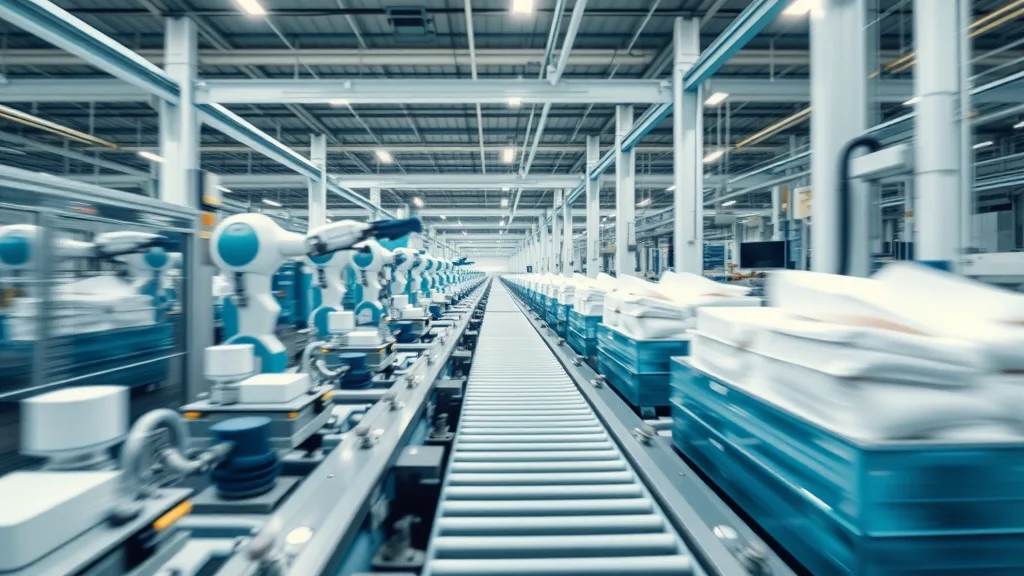
ISO certification plastics - Modern plastic production line with automated machinery enhancing operational efficiency

Boosting Customer Satisfaction and Trust

When customers partner with ISO certified plastic suppliers, they gain more than just high-quality materials. They enjoy transparency, reliability, and consistent performance—all of which build long-term relationships based on trust. This trust is particularly vital when the plastic components form part of safety-critical products.

As Hayden Hess highlights, certified suppliers work closely with clients to ensure specifications are met, communicating openly about materials’ provenance and quality parameters, thereby reinforcing customer confidence.

ISO certification plastics - Professional business meeting discussing ISO certification benefits fostering customer trust

Common Misconceptions About ISO Certification in the Plastics Industry

  • ISO certification is only about paperwork — in reality, it ensures rigorous quality management systems that span the entire production.
  • All plastic manufacturers have ISO certification — many do not, which can risk product quality and supplier reliability.
  • ISO certification guarantees perfection — while it establishes a framework for continuous improvement, it requires ongoing commitment and effort to maintain high standards.

How to Choose the Right ISO Certified Plastic Supplier

  • Verify the supplier’s ISO certification status and the scope of their certification to ensure it covers relevant aspects of plastic manufacturing.
  • Assess their traceability capabilities and documentation practices to guarantee transparency in material sourcing and production.
  • Evaluate their commitment to continuous improvement and customer service, reflecting their dedication to maintaining excellence.
  • Consider sourcing from trusted North American manufacturers for added assurance of quality and consistency.

Hayden Hess emphasizes, “Choosing the proper material and where it is originally manufactured is critical. We only provide performance plastic materials from North American sources to ensure quality and consistency.” This advice highlights how supplier origin factors into the overall trust and quality assurance equation.

People Also Ask

  • What does ISO certification mean for plastic manufacturers?
  • How does ISO certification improve product quality in plastics?
  • Why is traceability important in plastic material supply?
  • Can ISO certification impact operational efficiency?
  • How to verify if a plastic supplier is ISO certified?

Key Takeaways

  • ISO certification is essential for ensuring quality management in plastic manufacturing.
  • Traceability provided by ISO certified suppliers guarantees material authenticity and compliance.
  • Working with certified plastic manufacturers enhances operational efficiency and customer satisfaction.
  • Selecting suppliers with transparent sourcing and certification reduces risks in production.
  • Continuous improvement is a core benefit of adhering to ISO standards.
Aspect Benefit of ISO Certification Impact on Plastics Industry
Quality Management System Consistent product quality Reduces defects and recalls
Traceability Material origin tracking Ensures compliance and accountability
Operational Efficiency Streamlined processes Lowers production costs
Customer Satisfaction Increased trust Builds long-term partnerships
Continuous Improvement Ongoing enhancements Drives innovation and competitiveness

Conclusion

For manufacturers aiming for quality and reliability, prioritizing ISO certified plastic suppliers with robust traceability and operational excellence is a smart, strategic move that safeguards products from material inconsistencies.

Call to Action

For more information visit: https://iplasticsupply.com/ and/or call: (714) 978-3520

Sources

  • https://iplasticsupply.com/
high density plastic

19 Views

0 Comments

Write A Comment

*
*
Please complete the captcha to submit your comment.
Related Posts All Posts
03.18.2026

How Plastic Extrusions Are Revolutionizing Modern Manufacturing Practices

Update The Evolving Landscape of Manufacturing: The Rise of Plastic ExtrusionsAs the manufacturing sector progresses, there’s a remarkable shift occurring as companies seek innovative solutions to streamline costs and improve efficiency. One of the most notable transformations is the growing trend of replacing traditional metal parts with engineered plastic extrusions. This change is not merely a passing fad but a potential game changer in how manufacturers approach the production of parts.Why the Shift Towards Plastic?Historically, metal has been the go-to material for creating structural components—offering strength and durability, but often at a premium cost. However, manufacturers are recognizing the limitations of metal in various applications. With advancements in material science, plastics have evolved considerably, proving to be a reliable alternative for many OEM applications. Industries ranging from automotive to consumer products now see the benefits of plastic, utilizing it for frames, seals, and other vital components without compromising performance.Benefits of Lightweight Design in Modern ManufacturingThe lightweight nature of plastic materials is one of the standout features that is changing manufacturing dynamics. Lighter parts enhance handling during assembly and lower shipping costs—a critical consideration for businesses aiming to reduce operational expenditures. Moreover, achieving better energy efficiency in transportation systems becomes possible when lighter weight components are used, ultimately leading to a longer operational lifespan. Investors and stakeholders alike find this shift advantageous as it leads to economical benefits without sacrificing quality.Durability Redefined: Corrosion Resistance of PlasticsUnlike metals that often corrode when exposed to harsh environments, engineered plastics possess remarkable resistance to moisture, chemicals, and thermal variations. Common materials such as polyethylene and PVC have demonstrated longevity even in challenging conditions. With lower maintenance requirements, manufacturers can significantly cut costs related to equipment upkeep and part replacement, which frequently plague metal counterparts.Customization and Design FlexibilityOne of the outstanding advantages to opting for plastic extrusions is the design flexibility it affords manufacturers. Unlike traditional metal fabrication, which frequently requires multiple processes, the plastic extrusion process enables the creation of complex shapes in one go. This allows components to be tailored to unique specifications while consolidating multiple functions into a single part—thereby simplifying production and reducing complexity.Cost Savings That Impact Bottom-Line PerformanceSwitching from metal to plastic can lead to substantial cost savings. In fact, many manufacturers report reductions of up to 50% in production costs over time. The efficiency of extrusion processes minimizes waste while ensuring consistency and quality. Additional factors such as eliminating post-processing steps further enhance cost-effectiveness, making plastic a compelling alternative in today’s manufacturing landscape.Supporting the Future of Sustainable ManufacturingThe pivot towards incorporating plastic extrusions in product design aligns with the broader objectives of efficiency and sustainability that many manufacturers aim for. This movement is not only altering the materials used but is also reshaping how manufacturers approach innovation in product development.Join the Plastic RevolutionWhen considering the future of manufacturing, it’s evident that making informed decisions about material selection can pave the way for enhanced performance and profitability. Understanding the advantages of plastic extrusions opens the door to endless possibilities and innovations in various industries. For more information on integrating plastic solutions into your manufacturing processes, visit [iPlastic Supply](https://iplasticsupply.com).

03.11.2026

Exploring Custom Injection Molding: A Vital Resource for OEM Engineers

Update Understanding Custom Injection Molding: A Crucial Process for OEMs Custom injection molding is a pivotal manufacturing process, widely utilized in the production of plastic parts across various sectors, from medical devices to consumer products. The method relies on injecting molten thermoplastic material into precisely engineered molds, resulting in high-quality components that meet rigorous specifications. Key Advantages of Custom Injection Molding The custom injection molding process offers several significant benefits: High Production Efficiency: Once tooling is created, manufacturers can achieve rapid production cycles with a low per-part cost, making it ideal for large volumes. Design Flexibility: Engineers can innovate with complex geometries, including integrated features and multi-material assemblies, thanks to the versatility of modern molding techniques. Material Variety: Thousands of thermoplastic materials can be utilized, catering to diverse requirements such as chemical resistance and structural integrity. Breaking Down the Injection Molding Process The injection molding process consists of essential steps that ensure consistency and precision: Material Melting: Plastic resin pellets are heated until molten before being injected into the mold. Injection: The molten material is injected under high pressure into a mold cavity designed to shape the final product. Cooling and Solidification: The mold remains closed as the material cools, maintaining the integrity of the created part. Part Ejection: Once solidified, the mold opens and the finished component is ejected for further processing. Applications Across Industries Custom injection molding is integral to numerous sectors: Healthcare: Components for devices that demand stringent hygiene standards are often produced through this process. Automotive: The production of critical components such as dashboards and connectors is made efficient with injection molding. Consumer Electronics: Complex components for gadgets are manufactured at scale using precision molding techniques. Choosing the Right Partner for Injection Molding For OEMs, selecting a reliable injection molding partner is essential. The ideal partner not only possesses state-of-the-art technology but also offers expertise in material science and mold design. This collaboration can streamline the product development process, optimize designs for manufacturability, and ultimately reduce time to market. For more information on how injection molding can transform your product development process and for tailored solutions, visit our site.

02.27.2026

Why Size and Capacity are Critical in Plastic Injection Molding Operations

Update Understanding Size and Capacity in Plastic Injection MoldingPlastic injection molding is a cornerstone of modern manufacturing, particularly for small to medium-sized machine shops that play a crucial role in various industries. The size and capacity of the injection molding machine directly influence the quality and consistency of the produced components. Selecting the right machine ensures a smooth production process and prevents common manufacturing defects like flashing and warping.Precision Matters: Ensuring Quality in Large ComponentsAchieving precision in large components hinges on matching machine capabilities with part requirements. Utilizing the proper tonnage is essential; low tonnage can result in molten polymer pushing apart mold halves, leading to defects. An adequate clamping force, simplified as 2-5 tons per square inch of the part’s projected area, maintains part integrity and prolongs mold lifespan.A Deep Dive into Injection CapacityInjection capacity, or shot volume, is equally important. Machines must accommodate not just the part volume but also the associated runners. This calls for a safety margin of 20-30% to safeguard against short shots or voids. Properly matching shot volumes leads to complete fills, enhancing structural integrity and reducing potential rework. It's about finely balancing the molten material to the requirements of the mold to prevent costly defects.Optimizing Efficiency and CostIn the fast-paced world of large-scale production, efficiency and cost control are paramount. By understanding how machine capacity, cycle times, and material usage interplay, engineers can streamline processes, thereby reducing waste and maintaining consistent quality. Machine sizing also plays a significant role; aligning press size with part dimensions not only prevents production delays but also saves energy and resources.The Risks of Overcapacity in Injection MoldingWhile it might seem advantageous to have excess injection capacity, this can be misleading. Overpacking the mold can lead to internal stresses and inaccuracies in the final product. It’s crucial to adhere to specified capacity limits to maintain dimensional accuracy and surface quality. Employing flow simulations during the early stages of design can mitigate the risk of defects and enhance the overall production outcome.Conclusion: Ensure Quality and Efficiency in ProductionFor small to medium-sized machine shops striving for excellence in plastic injection molding, understanding size and capacity cannot be overstated. Selecting the right machines, maintaining precise conditions, and optimizing processes help in achieving reliable and high-quality outcomes. To learn more about how to further refine your operations, visit us today.

Terms of Service

Privacy Policy

Core Modal Title

Sorry, no results found

You Might Find These Articles Interesting

T
Please Check Your Email
We Will Be Following Up Shortly
*
*
*