

Add Row
Add Element
cropper
update
Industrial Plastic Supply
Powered by Industrial Plastic Supply Media
update
Add Element
  • Home
  • Categories
    • clear plastic sheets
    • plexiglass sheets
    • high density plastic
    • perspex plexiglass
    • polyvinyl chloride pipes
    • poly carbonate
    • lucite sheets
January 28.2026
1 Minute Read

Comparing Mechanical Plastic Rods and Metal Rods for Durable Manufacturing Components

Did you know that engineering plastics can often outlast metals in demanding applications? While most people picture plastics as everyday containers or packaging, mechanical plastic rods vs metal rods offer vastly different performance traits essential for modern manufacturing

Startling Facts About Mechanical Plastic Rods vs Metal Rods in Manufacturing

The difference between mechanical plastic rods vs metal rods goes beyond simple material choice—it's a balance of weight, corrosion resistance, strength, and cost-efficiency. Whereas metals have traditionally dominated manufacturing components for their mechanical strength and longevity, mechanical plastic rods have grown in prominence due to their versatility and high resistance to chemicals and wear.

One surprising fact many overlook is the superior corrosion resistance and dimensional stability that certain plastic rods provide, making them indispensable in environments where metals may degrade or require excessive maintenance. These characteristics position plastic rods as a competitive alternative in sectors like aerospace, automotive, and industrial manufacturing.

Hayden Hess of Industrial Plastic Supply emphasizes, “Engineering and performance plastics are durable, long lasting, and generally can outlast most other materials including metal.” This nuanced understanding challenges outdated perceptions and highlights why plastics increasingly matter in manufacturing innovation.

Unconventional Insights into Plastic Rods and Metal Rods Usage

Unlike traditional views that associate strength exclusively with metal, modern engineering plastics enhanced with additives such as carbon fiber composite can outperform metals in weight-sensitive applications without sacrificing structural integrity. Carbon fiber reinforced plastic rods blend lightweight performance with exceptional strength, often surpassing metal rods in longevity and fatigue resistance.

This balance is critical in manufacturing areas where reducing weight translates to improved efficiency and cost savings. Additionally, plastics offer low friction and enhanced wear resistance—key attributes in precision parts and components where smooth operation is paramount.

Insightful manufacturing engineer examining both a plastic rod and a metal rod — mechanical plastic rods vs metal rods comparison in modern manufacturing facility

Overview of Plastic Rods and Metal Rods in Durable Manufacturing Components

Defining Mechanical Plastic Rods and Metal Rods

Mechanical plastic rods refer to high-performance rods made from advanced polymer materials such as nylon, acetal, and ultra-high-molecular-weight polyethylene (UHMW). These rods are engineered specifically to endure mechanical stress, resist abrasion, and maintain dimensional stability under various environmental conditions. On the other hand, metal rods include steels, aluminum alloys, and other metals prized for their high tensile strength and durability.

Each material category serves distinct roles in manufacturing, but the lines are blurring as engineering plastics achieve higher performance levels once exclusive to metals. The choice depends heavily on the requirements for strength, weight, corrosion resistance, and mechanical wear.

Engineering Plastic and Plastic Sheets: Key Materials in Manufacturing

Alongside rods, engineering plastics are widely available as sheets, tubes, and custom-molded parts, facilitating versatile applications. Plastic sheets serve as raw material for precision machining into components that demand chemical and impact resistance. When used as rods, these plastics are processed through specialized techniques such as injection molding, extrusion, and machining to meet exacting specifications.

Aiden, of iPlasticSupply, explains, "Engineering and performance plastics are durable, long lasting, and generally can outlast most other materials including metal."

Types of Plastic Rods and Their Engineering Applications

Common Types of Plastic Rods Used in Manufacturing

Manufacturers rely on many types of plastic rods, including:

  • Nylon Rods: High strength and wear resistance, used in gears and bearings.
  • Acetal Rods (Delrin): Low friction, excellent dimensional stability.
  • UHMW Rods: Exceptional abrasion resistance, ideal for heavy wear applications.
  • Polycarbonate Rods: High impact resistance, used where toughness is critical.

These rods offer tailored properties that address challenges such as weight reduction, corrosion resistance, and mechanical flexibility unseen with metal alternatives.

Vivid assortment of different plastic rods arranged in an industrial display area illustrating various types of mechanical plastic rods

Carbon Fiber Reinforced Plastic Rods and Their Advantages

Carbon fiber reinforced plastic (CFRP) rods combine polymers with carbon fibers to produce components renowned for high strength-to-weight ratio and great stiffness. These rods are increasingly popular for aerospace and advanced manufacturing sectors where performance cannot be compromised.

CFRP rods offer enhanced fatigue resistance and dimensional stability while being significantly lighter than traditional metals. This makes them ideal for applications where minimizing weight directly improves performance and longevity. Their chemical inertness also ensures resistance to harsh environments.
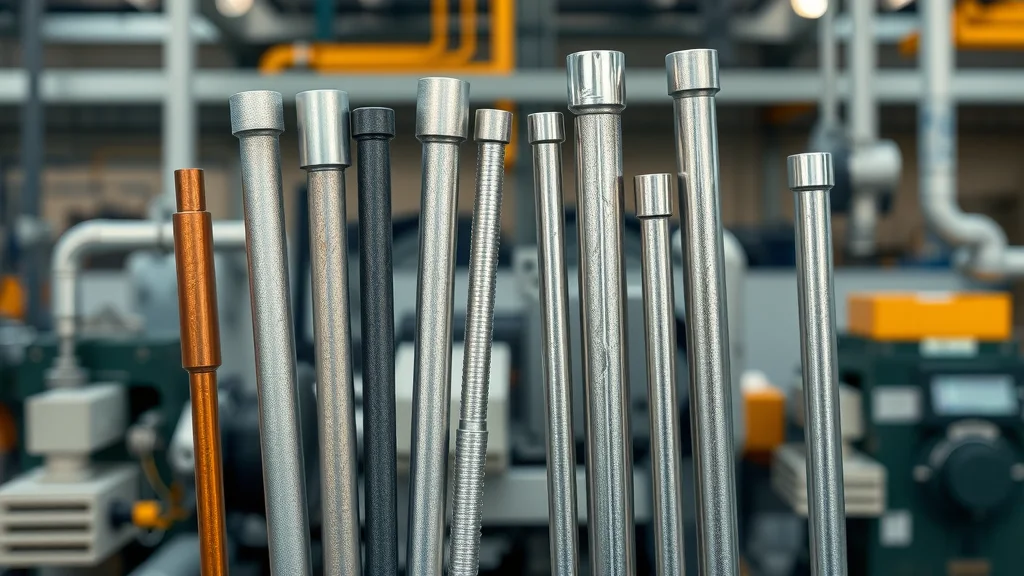
Highly detailed mechanical plastic rods and metal rods side by side comparison showcasing textures and colors under industrial machinery lighting

Comparing Mechanical Plastic Rods vs Metal Rods: Performance and Durability

Dimensional Stability and Chemical Resistance of Plastic Rods

Mechanical plastic rods stand out for their superior dimensional stability under temperature changes and aggressive chemical exposure. Unlike metals, which can corrode or warp, plastics like UHMW and acetal resist most solvents, oils, and chemicals, minimizing maintenance needs, and extending service life.

Such properties are particularly beneficial in environments exposed to moisture or chemicals, ensuring components maintain tolerances and mechanical integrity over time. This reliability is critical in precision equipment or aerospace applications demanding consistent performance.

Mechanical Strength and Longevity of Metal Rods

Metal rods generally exhibit exceptional mechanical strength, offering impressive load-bearing capacity and impact resistance. They excel in applications demanding hardness, such as in structural frameworks, shafts, and heavy machinery components.

However, metals can suffer from corrosion and require protective coatings or treatments to prevent degradation. They are also typically heavier than plastic counterparts, potentially increasing energy consumption in some applications. Choosing the right metal rod depends on balancing these factors against design goals.

According to Aiden, "Choosing the proper material and where it is originally manufactured is critical. We only provide performance plastic materials from North American sources to ensure quality and consistency."

Injection Molding and Manufacturing Processes for Plastic Rods

How Injection Molding Enhances Plastic Rod Production

Injection molding enables precise shaping of plastic rods with consistent high-quality characteristics. This process heats the polymer to a molten state before injecting it into molds, allowing the production of complex cross-sections and superior surface finishes. Enhanced quality control during molding leads to parts meeting specific engineering tolerances.

Advanced injection molding techniques also reduce material waste and increase production speed, making them ideal for large-scale manufacturing of mechanical plastic rods with demanding specifications.
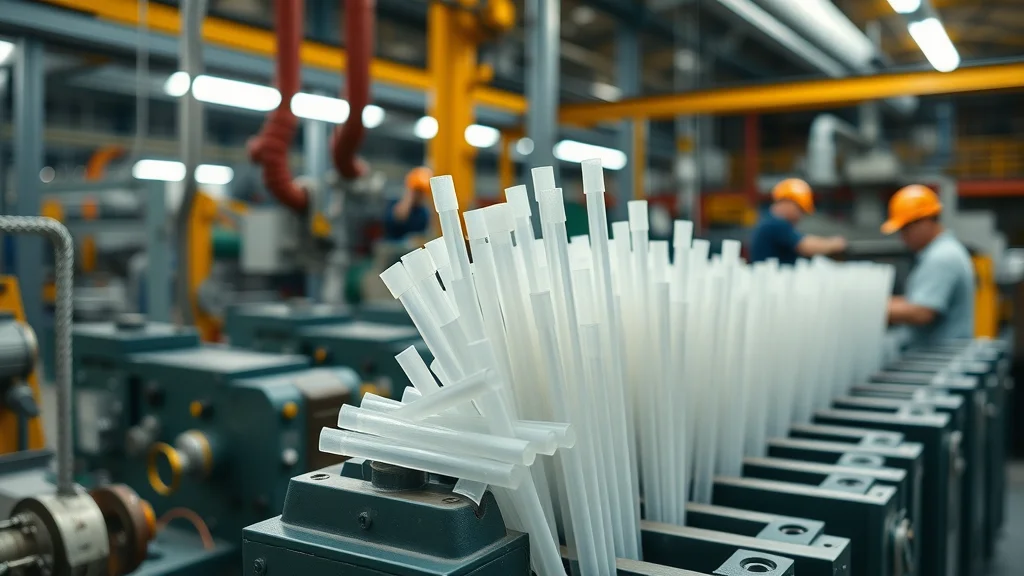
Detailed injection molding process of plastic rods in an industrial factory setting emphasizing mechanical plastic rods production techniques

Comparing Manufacturing Techniques for Metal Rods

Metal rod manufacturing involves extrusion, forging, rolling, or machining depending on the metal type and desired properties. These processes ensure high mechanical strength and durability but often involve higher energy consumption and longer production times compared to plastics.

Special techniques like heat treating and surface finishing (e.g., galvanizing) may be required to enhance corrosion resistance and wear characteristics. The cost and complexity of metal rod manufacturing can vary widely based on metal selection and processing technology.

Dynamic production line of metal rods being extruded or machined in a modern fabrication plant illustrating metal rods manufacturing process

Pros and Cons of Mechanical Plastic Rods vs Metal Rods

Advantages of Using Plastic Rods in Manufacturing

Plastic rods provide a lightweight, corrosion-resistant option with excellent wear and chemical resistance. They help reduce operational costs due to their minimal maintenance needs and easier machining. The availability of reinforced plastics like CFRP adds strength and stiffness comparable to metals, broadening application possibilities.

Advantages and Limitations of Metal Rods

Metal rods offer unmatched mechanical strength and durability under heavy loads and high temperatures. They are ideal for high-impact and structural uses. However, metals are prone to corrosion without protective coatings, may require more maintenance, and add significant weight, potentially impacting efficiency in some applications.

Common Misconceptions About Plastic Rods

Many believe plastics lack durability or are only suitable for low-stress uses. This is a misconception. Modern engineering plastics are designed for high-performance tasks and can outperform certain metals under specific conditions. Another myth is that plastics are environmentally inferior; however, their durability can reduce replacement frequency, lowering environmental impact.

Expert Insights and Best Practices for Selecting Plastic Rods and Metal Rods

Aiden emphasizes, "It's critical to buy from suppliers who provide ISO certified materials with lot and batch traceability to guarantee quality."

Importance of ISO Certification and Traceability in Material Selection

Reliable sourcing is key in manufacturing durable components. ISO certification assures that suppliers meet consistent quality standards in both materials and documentation. Lot and batch traceability enable manufacturers to validate the origin and quality of every rod used, crucial for industries with strict compliance and safety requirements.

Ensuring Quality Through North American Sourcing

Sourcing mechanical plastic rods and metal rods from North American manufacturers often guarantees higher oversight, faster delivery, and strict adherence to quality protocols. This proximity benefits companies needing rapid response times and stringent material certifications for mission-critical components.

Professional quality assurance engineer documenting plastic and metal rods ensuring ISO certification and traceability in manufacturing quality control

Actionable Tips for Choosing Between Mechanical Plastic Rods and Metal Rods

Assessing Application Requirements and Environmental Factors

Start by evaluating the mechanical loads, environmental exposure, and operational temperatures your component will face. Corrosive or chemically aggressive settings often favor plastic rods, while extremely high stress or thermal conditions may require metal rods.

Evaluating Cost, Weight, and Performance Trade-offs

Weigh the initial material and processing costs against the lifecycle benefits. Plastic rods often reduce weight and maintenance expenses, while metal rods might incur higher upfront costs but offer unmatched durability in specific cases. Factor in machining and tooling requirements to optimize total cost and performance.

Comparison Table: Mechanical Plastic Rods vs Metal Rods
Property Mechanical Plastic Rods Metal Rods Typical Applications
Weight Lightweight - reduces overall component mass Heavier - added strength but increased weight Aerospace components, lightweight machinery
Corrosion Resistance Excellent - resistant to many chemicals and moisture Prone without coatings - may rust or corrode Marine equipment, chemical environments
Mechanical Strength High, especially with carbon fiber reinforcement Very High - optimal for heavy load bearing Structural supports, shafts, industrial tools
Dimensional Stability Excellent under normal temperature ranges Good, but may expand or contract under heat Precision components, seals, gears
Cost Generally lower material and machining cost Higher upfront cost, specialized machining Cost-sensitive mass production, specialty parts
Maintenance Minimal - no rust, less wear Moderate to high - requires protection and upkeep Long-term machinery, outdoor applications

People Also Ask: FAQs on Mechanical Plastic Rods vs Metal Rods

What are the disadvantages of plastic rods?

Plastic rods can have lower heat resistance compared to metals, may deform under very high mechanical loads, and their surface hardness can be less than metal rods. However, reinforcement like carbon fiber can mitigate many of these drawbacks.

What is the advantage of using a plastic or metal form?

Plastic forms offer lightweight, corrosion resistance, and chemical stability, while metal forms provide superior mechanical strength and durability under extreme stress or temperature conditions. The choice depends on application demands.

What are three advantages of making plastic gears instead of metal gears?

  • Lower noise during operation due to material damping.
  • Resistance to corrosion and chemical attack.
  • Weight reduction improving efficiency in moving parts.

What are plastic rods used for?

Plastic rods serve in applications including precision mechanical parts, bushings, wear strips, gears, rollers, and components requiring chemical resistance and low friction, widely applied across aerospace, automotive, and industrial sectors.

Key Takeaways on Mechanical Plastic Rods vs Metal Rods

  • Mechanical plastic rods offer superior chemical resistance and dimensional stability.
  • Metal rods provide unmatched mechanical strength but may be heavier and prone to corrosion.
  • ISO certification and traceability are essential for ensuring material quality.
  • Sourcing from North American manufacturers guarantees consistency and reliability.
  • Choosing the right material depends on specific application needs and environmental conditions.

Conclusion: Making Informed Choices Between Mechanical Plastic Rods and Metal Rods

Balancing Performance, Cost, and Durability in Manufacturing Components

Manufacturers should prioritize application demands, environmental considerations, and lifecycle costs to decide between plastic and metal rods effectively. Leveraging expert advice and certified suppliers ensures durable, reliable components that deliver superior performance.

Final Thoughts from Aiden of iPlasticSupply

Aiden concludes, "Quality in, quality out — it all starts with trusted sourcing and traceability to deliver durable manufacturing components."

For More Information

  • Visit: https://iplasticsupply.com/
  • Call: (714) 978-3520

What You'll Learn

  • Differences and similarities between mechanical plastic rods and metal rods.
  • Types and applications of plastic rods in manufacturing.
  • The significance of ISO certification and traceability in material quality assurance.
  • Advantages and limitations of both rod types for durable manufacturing components.
  • Actionable tips for selecting suitable materials based on application needs.

Sources

  • https://iplasticsupply.com/
high density plastic

12 Views

0 Comments

Write A Comment

*
*
Related Posts All Posts
02.05.2026

The Role of ISO Certification and Traceability in Ensuring Quality in the Plastics Industry

Did you know that over 70% of manufacturing defects in plastic components can be traced back to poor material sourcing? Understanding the critical role of ISO certified plastic suppliers is essential for ensuring product quality and reliability in manufacturing What You'll Learn The importance of ISO certification for plastic suppliers How traceability enhances quality management in plastics manufacturing Key benefits of working with ISO certified plastic suppliers Common misconceptions about certified plastics and quality assurance How ISO certification supports continual improvement and customer satisfaction Understanding ISO Certified Plastic Suppliers and Their Importance Defining ISO Certification and Certified Plastic Suppliers ISO certification represents a formal acknowledgment that a company adheres to internationally recognized standards for quality management systems. In the context of plastics, ISO certified plastic suppliers consistently deliver materials that meet stringent quality requirements essential for manufacturing reliable products. Aiden, of iPlastics Supply, explains, Being ISO certified means that we do the processing, the paperwork, and ensure the quality materials you need are consistently delivered. This certification verifies that suppliers maintain systematic procedures to guarantee material consistency and transparent documentation throughout production. Why ISO Certification Matters in the Plastics Industry Ensures adherence to international quality management standards Builds trust between suppliers and manufacturers Guarantees consistent product quality and reliability The plastics industry thrives on precision and quality. ISO certification serves as a crucial benchmark, reassuring manufacturers that the raw plastic materials they receive will meet exacting performance standards. Such certification reduces risks associated with material variability and manufacturing defects, directly impacting the final product quality and lifecycle. Quality Management Systems and Traceability in ISO Certified Plastic Suppliers Role of Quality Management Systems in Plastic Manufacturing Quality Management Systems (QMS) embedded in ISO certification protocols ensure every stage of plastic supply—from raw material acquisition to processing and delivery—meets rigorous quality protocols. These systems facilitate uniform procedures, reduce variability, and enable continuous auditing, which in turn minimizes defects and enhances manufacturing confidence. Robust QMS also ensure that manufacturers can rely on the documented evidence of quality controls, affirming the integrity of the materials used in their products. Traceability: Lot and Batch Tracking for Quality Assurance Traceability is the backbone of quality assurance in plastics manufacturing. It allows manufacturers to track and verify the origin of plastics through lot and batch identifiers. This level of transparency supports swift identification of potential issues and guarantees the authenticity and compliance of the materials. According to Aiden, Many of our clients rely on our materials being American made, and that we can give them lot and batch traceability right back to the manufacturer. This ensures they're getting the quality material. Such detailed tracking is indispensable for industries where material failure is not an option. Benefits of Choosing ISO Certified Plastic Suppliers for Your Manufacturing Needs Enhanced Product Quality and Reliability Partnering with ISO certified plastic suppliers directly translates into products that demonstrate superior reliability and longevity. Certified suppliers adhere to stringent quality controls that minimize defects, ensuring stable material performance even in demanding applications. This commitment to quality improves manufacturing consistency, lowers costs associated with defects, and strengthens brand reputation among end-users. Improved Customer Satisfaction Through Consistent Standards Consistency is key in manufacturing, and ISO certification guarantees that customers receive the same high quality material every time. This reliability boosts customer confidence and satisfaction, fostering long-term business relationships and repeat orders. Manufacturers can also better meet regulatory requirements and customer specifications with the assurance that material standards are uniformly met. Support for Continual Improvement in Manufacturing Processes ISO certification mandates ongoing audits and reviews, prompting suppliers to engage in continual improvement. This culture of enhancement helps suppliers identify inefficiencies, innovate processes, and raise quality benchmarks, benefiting the entire supply chain. Manufacturers working with ISO certified suppliers benefit from this progressive mindset, gaining access to higher quality products and responsive support. Common Misconceptions About Certified Plastic and ISO Certification Misunderstanding the difference between standard plastics and engineering plastics Assuming all plastic suppliers meet quality standards without certification Overlooking the importance of traceability in quality assurance One common misunderstanding is equating everyday plastics—such as water bottles—with specialized engineering plastics used in manufacturing. The latter are designed for durability and performance, often surpassing metals in longevity and strength. Many also mistakenly believe that all suppliers uphold the same quality standards, but ISO certification distinguishes those who rigorously maintain quality management systems and traceability, which are critical to consistent, high-quality plastic supply. How ISO Certification Supports Quality Management and Continual Improvement ISO Certification Aspect Impact on Quality Management Benefit to Manufacturers Standardized Processes Ensures uniformity in production Reduces defects and variability Documentation and Record Keeping Enables traceability and accountability Facilitates audits and compliance Regular Audits and Reviews Promotes continual improvement Enhances product quality over time People Also Ask (FAQs) About ISO Certified Plastic Suppliers Which company is best for ISO certification? The best company for ISO certification depends on your industry and location. Generally, accredited certification bodies with a proven track record and recognized credentials provide the most reliable certification services. It’s advisable to select an ISO registrar accredited by international bodies like the International Accreditation Forum (IAF). How much do ISO consultants charge? ISO consultant fees vary depending on the scope of the certification, company size, and complexity of processes. Typical charges range from a few thousand dollars to tens of thousands. Investing in experienced consultants often pays off by streamlining implementation and ensuring compliance. What is the ISO standard for plastic products? ISO standards relevant to plastic products include ISO 9001 for quality management systems and specialized standards like ISO 1874 and ISO 11469, which specify requirements for plastic raw materials and identification. These ensure manufacturers maintain product quality and safety. Who gives out ISO certifications? ISO certifications are issued by accredited third-party certification bodies authorized to assess and verify companies’ compliance with relevant ISO standards. The International Organization for Standardization (ISO) develops standards but does not directly certify companies. Key Takeaways ISO certified plastic suppliers ensure consistent quality and traceability in materials used for manufacturing. Traceability through lot and batch tracking is vital for maintaining manufacturing reliability and quality control. Working with certified suppliers supports continual improvement, customer satisfaction, and compliance with international standards. Understanding the difference between standard plastics and engineering plastics is crucial for quality assurance in specialized industries. Conclusion Prioritize sourcing from ISO certified plastic suppliers with robust traceability to guarantee quality materials that elevate your manufacturing success and product reliability. For more information visit: https://iplasticsupply.com/ or call: (714) 978-3520 Sources https://www.iso.org/iso-9001-quality-management.html https://iplasticsupply.com/

02.04.2026

How to Choose the Right Engineering Plastic Sheet for Aerospace Applications

Did you know? Engineering plastic sheets used in aerospace can outlast metals and significantly improve aircraft performance and durability Startling Facts About Engineering Plastic Sheets Aerospace in the Aerospace Industry Within the aerospace industry, the role of engineering plastic sheets aerospace is rapidly expanding as these materials offer remarkable advantages over traditional metals. Unlike everyday plastics like water bottles or containers, engineering plastics for aerospace are designed for extreme conditions—they deliver exceptional durability, thermal resistance, and chemical stability. This ensures aircraft components meet rigorous safety and performance standards that metals sometimes struggle to achieve. According to Hayden Hess of Industrial Plastic Supply, “People often think of plastics as simple water bottles, but engineering plastics are durable, long lasting, and can outlast most metals in aerospace applications.” This eye-opening fact challenges the conventional perception, illustrating why aerospace professionals must rethink materials selection when designing components or retrofitting existing systems. Overview of Engineering Plastic Sheets Aerospace and Their Role in the Aerospace Industry The aerospace industry demands materials that deliver high strength-to-weight ratio, excellent thermal stability, and outstanding chemical resistance. Engineering plastic sheets aerospace fulfill these needs by offering a unique combination of mechanical strength and lightweight properties, reducing the overall aircraft weight, and thus improving fuel efficiency. These plastics are used in structural components, interior panels, and insulation applications, contributing to safer, more efficient aircraft. Key characteristics that set these materials apart include their resistance to harsh environmental factors such as extreme temperatures and corrosive chemicals encountered at high altitudes. Aerospace plastics also provide excellent electrical insulation — a critical attribute for sensitive avionics and electronic systems. Key Characteristics of Engineering Plastics for Aerospace Applications Engineering plastics used in aerospace must demonstrate exceptional mechanical and thermal properties. They must maintain dimensional stability under fluctuating temperatures and resist high impact or abrasion, which can be experienced during routine aircraft operations. Additionally, these plastics exhibit superior chemical resistance, protecting parts from aviation fuels, hydraulic fluids, and cleaning solvents. Examples include polyetheretherketone (PEEK), polyphenylene sulfide (PPS), and polyimide, each with unique properties tailored to specific aerospace demands. For instance, PEEK offers outstanding tensile strength and resistance to hydrolysis, while PPS provides excellent flame retardance and chemical resistance, making them ideal for diverse aerospace components. Common Aerospace Plastic Materials and Their Uses The most widely used engineering plastic sheets aerospace include PEEK, PPS, and Polyimide. PEEK is favored for structural components requiring high strength and chemical durability, while PPS is often utilized in electrical insulation and aircraft interior parts due to its flame retardant capabilities. Polyimides stand out with their remarkable thermal stability, making them suitable for critical components exposed to extreme heat. These materials empower designers to develop lightweight panels, trays, and instrument housings that enhance overall aircraft performance and longevity. Choosing the right plastic material depends on a deep understanding of the application’s mechanical stresses, temperature ranges, and chemical exposures expected during service life. How to Select the Right Engineering Plastic Sheets Aerospace for Your Aerospace Application Evaluating Mechanical and Thermal Properties for Aerospace Applications When selecting engineering plastic sheets aerospace, it's paramount to assess their mechanical properties including tensile strength, impact resistance, and modulus of elasticity. Aerospace components often undergo high vibrational loads and impact stresses, so materials that can absorb these without deforming or fracturing are essential. Thermal properties are equally critical. Plastics must maintain stability and resist degradation across extreme temperatures encountered during flight cycles – from freezing cold at high altitudes to heat generated in engine compartments. Considering these factors ensures components remain reliable and safe for the entire operational lifespan. Importance of Sourcing from Trusted North American Manufacturers Material origin matters tremendously in aerospace. Hayden Hess, of Industrial Plastic Supply, emphasizes, “Choosing the proper material and where it is originally manufactured is critical. We only provide performance plastic materials from North American sources to ensure quality and consistency.” Purchasing from trusted, ISO-certified North American suppliers guarantees that material quality, certifications, and traceability meet stringent aerospace industry standards. Traceability back to the manufacturer using lot and batch documentation is indispensable for quality assurance and regulatory compliance. Compliance with Aerospace Industry Standards and Certifications Strict aerospace industry standards govern the materials used in aircraft manufacturing. Compliance with certifications such as ISO 9001 and specific aerospace material standards ensures that engineering plastic sheets aerospace meet safety, durability, and performance criteria. These certifications also provide confidence in material consistency, vital for critical applications. Working with certified suppliers means your aerospace plastic materials will undergo rigorous testing and quality control, minimizing risks of failure or non-compliance. These processes are foundational to aircraft certification and regulatory approval paths. Benefits of Using Engineering Plastic Sheets Aerospace in the Aerospace Industry Impact on Fuel Efficiency and Aircraft Performance One of the most significant benefits of engineering plastic sheets aerospace is their contribution to weight reduction. By replacing heavier metal parts with lightweight plastics that do not compromise strength, aircraft become more fuel-efficient. This leads to lower emissions, reduced operational costs, and the ability to increase payload or flight range. Advanced plastics also exhibit smoother aerodynamic surfaces and resist corrosion better than metals, enhancing overall aircraft performance and maintenance cycles. In the era of environmental regulations and cost pressures, these advantages drive the aerospace industry toward greater adoption of engineering plastic materials. Durability and Longevity Compared to Metal Components Unlike metals, which can corrode or fatigue over time, high-performance aerospace plastics provide superior longevity and resistance to environmental degradation. Their chemical inertness and flexibility enable lasting performance in demanding conditions such as exposure to aviation fuels, hydraulic fluids, and UV radiation. The durability of engineering plastics also reduces maintenance requirements, repair costs, and downtime. This translates into enhanced aircraft availability and reduced lifecycle costs, making these materials an intelligent investment for aerospace engineers and fleet operators alike. Common Mistakes and Misconceptions When Choosing Engineering Plastic Sheets Aerospace Misunderstanding the Difference Between Standard and Engineering Plastics Many still confuse everyday plastics with the high-grade engineering plastic sheets aerospace. Standard plastics like polyethylene or polypropylene used in packaging do not offer the mechanical strength or thermal stability needed for aerospace. This misunderstanding leads to improper material selection and potential component failure. A clear differentiation must be made: engineering plastics undergo precise formulation and processing to meet aerospace demands. Selecting materials without this knowledge risks compromising structural integrity and safety of aerospace applications. Overlooking the Importance of Quality and Traceability According to Aiden, “Ensuring you're getting quality material from quality manufacturers results in a quality end product. Traceability is key in aerospace manufacturing.” Overlooking this critical factor can lead to unvetted materials entering the supply chain, potentially jeopardizing safety and compliance. Traceability through batch and lot documentation lets manufacturers pinpoint material provenance, enabling accountability and swift resolution if issues arise. Neglecting traceability can result in costly recalls, certification failures, and reputational damage. Actionable Tips for Purchasing Engineering Plastic Sheets Aerospace Verify supplier ISO certification and manufacturing origin. Certified suppliers ensure consistent quality and regulatory compliance crucial for aerospace applications. Request lot and batch traceability documentation. This documentation guarantees material provenance for quality control and accountability. Assess material properties against aerospace application requirements. Match mechanical, thermal, and chemical resistance needs carefully to material specifications. Consult with material experts or suppliers for tailored recommendations. Leverage specialist advice to optimize material selection for specific aerospace uses. Consider long-term durability and maintenance implications. Select plastics that reduce lifecycle costs and enhance component longevity. What You'll Learn About Engineering Plastic Sheets Aerospace in This Guide Material Key Properties Benefits Typical Aerospace Uses PEEK (Polyetheretherketone) High tensile strength, chemical resistance, thermal stability up to 250°C Durability, long service life, strong under mechanical stress Structural components, bearing parts, insulating applications PPS (Polyphenylene Sulfide) Flame retardant, chemical resistance, thermal stability up to 200°C Excellent electrical insulation, moldability, cost-effectiveness Electrical housings, aircraft interiors, low friction parts Polyimide Exceptional thermal stability, strong mechanical performance, chemical resistance Ideal for extreme temperature environments, dimensional stability Engine components, insulation films, sealing materials People Also Ask About Engineering Plastic Sheets Aerospace What are engineering plastic sheets aerospace used for? How do engineering plastics improve aerospace applications? Why is traceability important in aerospace plastic materials? What certifications should aerospace plastic sheets have? How do engineering plastics compare to metals in aerospace? Key Takeaways on Choosing Engineering Plastic Sheets Aerospace When selecting engineering plastic sheets aerospace, prioritize material performance aligned with your application’s mechanical and thermal demands. Source from ISO-certified North American manufacturers to guarantee traceability and quality. Remember, investing in premium plastics leads to superior aircraft durability, improved fuel efficiency, and enhanced safety. Conclusion: Making Informed Decisions on Engineering Plastic Sheets Aerospace Choose quality, validated materials and trusted suppliers to ensure aerospace success and safety. For expert guidance and reliable performance plastics, contact Industrial Plastic Supply today. For more information visit: https://iplasticsupply.com/ or call: (714) 978-3520 Sources Industrial Plastic Supply Official Website SAE Aerospace Material Standards ISO 9001 Quality Management Standard - ISO.org

01.28.2026

Common Questions About Choosing Engineering Plastic Sheets for Aerospace Applications

Startling Fact: Did you know that engineering plastics can outlast most metals used in aerospace? This surprising durability makes selecting the right plastic sheet crucial for aerospace professionals aiming for performance and safety Choosing engineering plastic sheets aerospace presents unique challenges and opportunities. This in-depth guide addresses common questions, clears up misconceptions, and explains how to evaluate properties and suppliers for aerospace-grade plastics. Whether you are an engineer, manufacturer, or procurement specialist, understanding these plastics will help you make informed decisions essential to aerospace success. Startling Facts About Choosing Engineering Plastic Sheets Aerospace Applications Understanding the Misconceptions About Engineering Plastics in Aerospace Many people tend to think of plastics as simple consumer items like water bottles or jugs. However, engineering plastics used in aerospace have far superior properties. Hayden Hess, of Industrial Plastic Supply, explains, People think of plastics as water bottles and jugs, whereas engineering and performance plastics are durable, long lasting, and generally can outlast most other materials including metal. These plastics are specifically designed to perform under extreme conditions, including high temperatures, intense mechanical stresses, and exposure to chemicals. This misconception can lead to overlooking plastics as viable aerospace materials, which is a costly mistake. Understanding that plastics in this industry are purpose-built materials with rigorous standards is essential for making the right aerospace material selections. Why Choosing Engineering Plastic Sheets Aerospace Is Critical for the Aerospace Industry For aerospace applications, material reliability can be a matter of safety. Unlike standard plastics, engineering plastics must meet stringent specifications to handle extreme mechanical loads, chemical exposures, and fluctuating temperatures inherent to aerospace environments. Selecting inappropriate materials risks catastrophic failure or reduced component lifespan. Hayden Hess emphasizes that aerospace professionals must scrutinize material performance to ensure parts meet application needs. The importance of precision and reliability in engineering plastic selection cannot be overstated in industries where failure is not an option. Key Properties of Engineering Plastic Materials for Aerospace Applications Mechanical Strength and Wear Resistance in Aerospace Components One of the foremost criteria for engineering plastics in aerospace is exceptional mechanical strength and wear resistance. Aircraft components, such as bushings, gears, and structural parts, undergo constant stress and friction. Plastics like PEEK (Polyether Ether Ketone) exhibit outstanding tensile strength and wear resistance, allowing them to replace heavier or corrosion-prone metals effectively. By choosing plastics with superior mechanical properties, aerospace engineers can ensure parts withstand rigorous operational conditions without deformation or degradation. This durability extends component lifespan and reduces maintenance needs, contributing to overall cost efficiency. Chemical and Temperature Resistance for Engine Components Aerospace components often operate in chemically harsh environments and at elevated temperatures. High-performance plastics must resist solvents, fuels, and lubricants while maintaining their integrity. For example, PEEK and PTFE provide excellent chemical resistance and can tolerate temperatures up to 260°C, making them ideal for engine and sealing applications. The ability to sustain performance under thermal stress without warping or losing mechanical properties makes engineering plastics indispensable in aerospace engine design and function. Fuel Efficiency Benefits from Lightweight Plastic Materials Weight reduction is a critical factor in aerospace design for improving fuel efficiency and performance. Engineering plastics typically weigh much less than metals while offering comparable strength and resilience. By integrating these lightweight materials, manufacturers can reduce aircraft weight significantly. This weight savings translates directly into improved fuel economy, reduced emissions, and increased payload capacities. Hence, choosing engineering plastic sheets aerospace strategically supports sustainability and operational cost goals. How to Choose the Right Engineering Plastic Sheet for Aerospace Applications Evaluating Plastic Material Specifications for Aerospace Application Requirements Choosing engineering plastic sheets aerospace begins with carefully assessing technical specifications such as tensile strength, impact resistance, thermal tolerance, and chemical inertness. Detailed material data sheets help match plastics to the environmental and mechanical demands of specific aerospace components. Manufacturers and engineers must also consider long-term durability and compliance with aerospace regulations. Balancing all these parameters ensures material suitability and avoids costly redesigns or failures. Importance of Sourcing American Made Plastic Materials Sourcing from trusted manufacturers is just as vital as selecting the right material. As Hayden Hess notes, Choosing the proper material and where it is originally manufactured is crucial. We only provide performance plastic materials from North American sources to ensure quality and consistency. American-made materials often come with stringent quality controls, faster delivery times, and traceability that foreign suppliers may lack. This reliability is particularly important in aerospace, where traceability and certification requirements guarantee material authenticity and safety. Prioritizing domestic sourcing strengthens supply chain security and quality assurance. Polyether Ether Ketone (PEEK) and Other High-Performance Polymers in Aerospace Among engineering plastics, Polyether Ether Ketone (PEEK) stands out for aerospace due to its excellent mechanical strength, chemical resistance, and high temperature tolerance. It is widely used in structural parts and engine components demanding longevity and extreme performance. Other high-performance polymers complement PEEK by offering specific advantages like enhanced impact resistance or lower density. Understanding these polymers’ unique properties allows aerospace professionals to tailor solutions to each application. The Role of ISO Certified Plastic Suppliers in Aerospace Material Quality and Traceability Why ISO Certification Matters for Aerospace Plastic Material Suppliers ISO certification demonstrates a supplier’s commitment to consistent quality, process control, and regulatory compliance. In aerospace, these standards help ensure that each batch of plastic materials meets stringent performance criteria. Working with ISO-certified suppliers reduces risk and instills confidence in material quality. Manufacturers relying on these certifications can assure their clients that the plastics used meet internationally recognized benchmarks for quality and traceability. Traceability: Lot and Batch Tracking for Quality Assurance Traceability means maintaining detailed records that link each batch of plastic material back to its original manufacturing source. Hayden Hess highlights, Many of our clients rely on our materials being American made, and that we can give them lot and batch traceability right back to the manufacturer. This ensures they're getting the quality material. This capability is critical for quality control, enabling quick identification and resolution of issues should defects arise. Traceability supports regulatory compliance and simplifies audits in aerospace production. Impact of Traceability on Manufacturing Processes in Aerospace Applications Traceability improves manufacturing processes by enabling precise tracking of materials used in each aerospace component. It streamlines quality assurance checks, facilitates warranty claims, and supports continuous improvement by revealing trends or weaknesses associated with specific lots. For aerospace manufacturers, this means enhanced reliability in final products and stronger adherence to safety and performance standards. Common Mistakes and Misconceptions When Choosing Engineering Plastic Sheets Aerospace Confusing Standard Plastics with Engineering Plastics One frequent error is equating engineering plastics with common plastic products. Standard plastics lack the durability and performance characteristics required in aerospace. Choosing the wrong type not only affects reliability but can lead to mission-critical failures. Clear differentiation and understanding of the engineering-grade plastics' capabilities are essential. Overlooking Material Certification and Traceability Another widespread oversight is ignoring the importance of certifications like ISO and traceability documentation. Without these, sourcing plastic materials carries risks of inconsistent quality and limited accountability, which can jeopardize aerospace projects. Certifications guarantee suppliers meet rigid industry standards. Ignoring the Importance of Material Origin and Supplier Reliability Many underestimate how critical the origin of plastic materials is. Reliable suppliers, especially those based in North America, often offer stricter quality controls, faster support, and better compliance than unverified international sources. Overlooking supplier trustworthiness can result in subpar materials and supply chain disruptions. Actionable Tips for Selecting Engineering Plastic Sheets for Aerospace Applications Verify supplier ISO certification and traceability capabilities Prioritize American made plastic materials for quality assurance Assess mechanical, chemical, and temperature resistance properties Consult with experts to match plastic materials to aerospace application needs Request detailed material specifications and batch documentation What You'll Learn Differences between standard plastics and engineering plastics Critical properties required for aerospace plastic materials How to evaluate and select the right plastic sheet for aerospace applications The importance of ISO certification and traceability in aerospace manufacturing Common pitfalls to avoid when choosing engineering plastic sheets People Also Ask What are engineering plastic sheets used for in aerospace applications? How do I know if a plastic material is suitable for aerospace use? Why is traceability important in aerospace plastic materials? What advantages do engineering plastics have over metals in aerospace? How does ISO certification affect plastic material quality? Comprehensive Table: Comparison of Common Engineering Plastics for Aerospace Applications Plastic Type Mechanical Strength Chemical Resistance Temperature Resistance Typical Aerospace Use Polyether Ether Ketone (PEEK) High Excellent Up to 260°C Engine components, structural parts Polycarbonate Moderate Good Up to 135°C Windows, interior components PTFE (Polytetrafluoroethylene) Low Excellent Up to 260°C Seals, bearings Nylon Moderate Good Up to 120°C Bushings, gears Key Takeaways Choosing engineering plastic sheets aerospace requires understanding their superior durability and performance compared to standard plastics. Material origin and supplier ISO certification are critical for ensuring quality and traceability. Mechanical strength, chemical resistance, and temperature tolerance are key factors in aerospace plastic selection. American made plastic materials provide reliability and consistency for aerospace applications. Avoid common misconceptions by consulting experts and verifying material specifications. Conclusion Final Thoughts on Choosing Engineering Plastic Sheets Aerospace Hayden Hess concludes, Making sure that you're getting a quality material from quality manufacturers gives you a quality end product. Next Steps for Aerospace Professionals Evaluate your current plastic material suppliers for ISO certification and traceability. Consult with material experts to identify the best engineering plastic sheets for your aerospace applications. Prioritize sourcing from trusted North American manufacturers. Implement rigorous quality checks based on batch and lot traceability. Stay informed on advances in engineering plastics technology for aerospace. For More Information Visit: https://iplasticsupply.com/ Call: (714) 978-3520 Sources https://iplasticsupply.com/

Terms of Service

Privacy Policy

Core Modal Title

Sorry, no results found

You Might Find These Articles Interesting

T
Please Check Your Email
We Will Be Following Up Shortly
*
*
*