

Add Row
Add Element
cropper
update
Industrial Plastic Supply
Powered by Industrial Plastic Supply Media
update
Add Element
  • Home
  • Categories
    • clear plastic sheets
    • plexiglass sheets
    • high density plastic
    • perspex plexiglass
    • polyvinyl chloride pipes
    • poly carbonate
    • lucite sheets
January 28.2026
1 Minute Read

Benefits of Using High Impact Plastic Sheets for Heavy Duty Manufacturing

Did you know that high impact plastic sheets can outperform many metals in durability and longevity, making them indispensable in heavy duty manufacturing? This surprising fact highlights why industries that demand toughness and reliability are increasingly turning to these advanced materials

What You'll Learn About High Impact Plastic Sheets

  • Key features and benefits of high impact plastic sheets
  • How high impact polystyrene and styrene sheets compare to other materials
  • Applications in heavy duty manufacturing environments
  • Quality considerations including sourcing and traceability
  • Expert insights from Hayden Hess of Industrial Plastic Supply
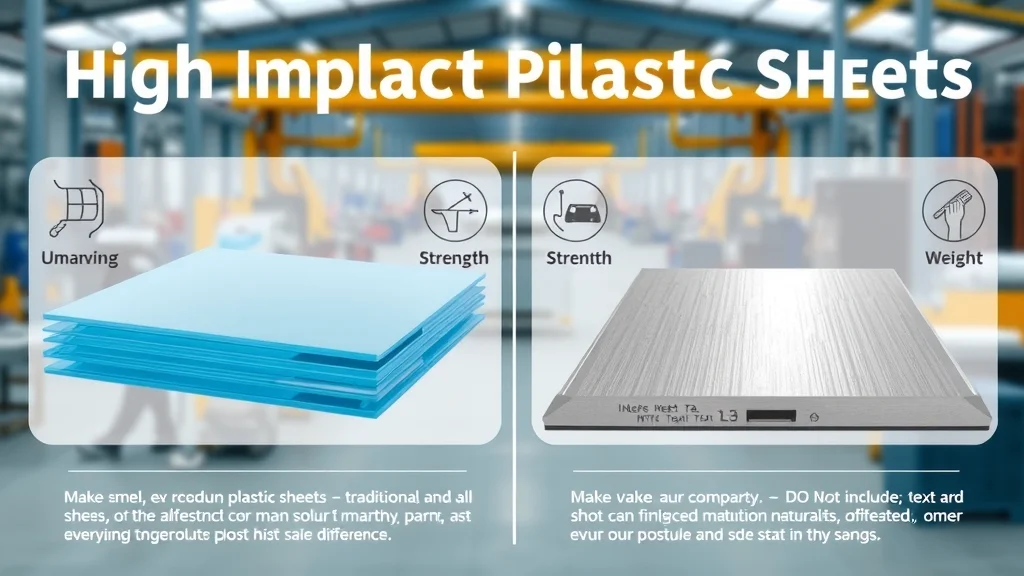
Infographic comparing high impact plastic sheets and traditional metal materials in durability, strength, and weight in manufacturing

Understanding High Impact Plastic Sheets: Definitions and Types

What Are High Impact Plastic Sheets?

High impact plastic sheets refer to engineered plastics designed for superior toughness and performance under stress. Unlike standard plastics commonly used for packaging and disposable products, these materials are formulated to withstand heavy mechanical forces and harsh environments. High impact plastic sheets include variants such as impact polystyrene and styrene sheets, which offer enhanced durability without the weight penalty of metals.

Aiden, of Interstate Plastics Suppliers, explains, "Engineering and performance plastics are durable, long lasting, and generally can outlast most other materials including metal." This statement underscores the transformative capacity of high impact plastic sheets to endure conditions that would typically degrade metal or conventional plastic.

Common Types: High Impact Polystyrene, Impact Polystyrene, and Styrene Sheets

The most prevalent types of high impact plastic sheets used in manufacturing include high impact polystyrene (HIPS), impact polystyrene, and styrene sheets. HIPS sheets combine the rigidity of polystyrene with rubber modifiers boosting impact resistance, making them especially useful where both form and toughness are required. Styrene sheets often provide excellent dimensional stability and can be thermally formed, which is advantageous in custom manufacturing applications.

These variants differ from everyday plastics by their optimized molecular structures and manufacturing processes that significantly raise their toughness, chemical resistance, and longevity, critical for heavy duty manufacturing.

Differences Between Standard Plastics and High Impact Plastics

Standard plastics, such as those used for disposable items, generally lack the mechanical integrity and chemical resistance necessary for industrial applications. High impact plastic sheets are specifically designed to resist cracking, breaking, and chemical degradation under stress. They maintain their structural integrity over time and in challenging environments, making them ideal replacements for metals in many scenarios.
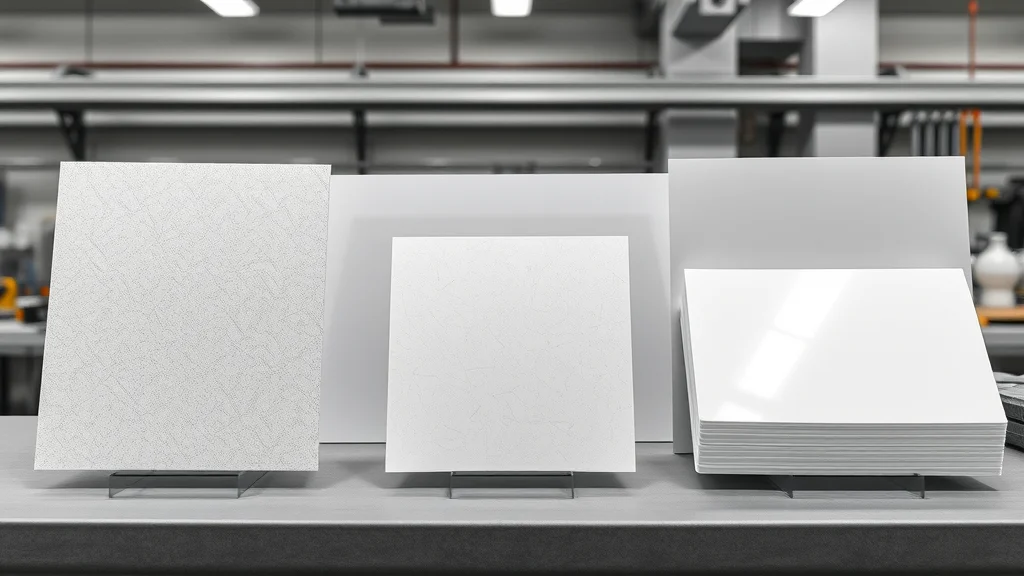
Samples of high impact plastic sheets showcasing texture differences compared to standard plastics on industrial workstation

The enhanced performance results from specific polymer blends and additives that provide toughness and flexibility unavailable in traditional plastics.

Key Features and Benefits of High Impact Plastic Sheets in Manufacturing

Durability and Impact Resistance

One of the standout benefits of high impact plastic sheets is their exceptional durability. These sheets absorb and dissipate energy from impacts better than many metals, reducing the risk of cracks or catastrophic failure in demanding industrial environments. This resistance to shock and stress makes them invaluable in applications where consistent performance is mandatory.

Industries such as aerospace, automotive, and heavy machinery rely on these materials because they provide reliable protection and structural integrity, helping to extend component lifespans and reduce maintenance costs.

Lightweight Yet Strong Material Properties

Compared to traditional metals, high impact plastic sheets offer a remarkable strength-to-weight ratio. This lightweight characteristic facilitates easier handling and installation, reduces fuel consumption in transportation applications, and lowers the overall manufacturing costs. Additionally, their flexibility allows easy fabrication, cutting, and thermoforming to custom shapes without compromising strength.

Resistance to Chemicals and Environmental Factors

High impact polystyrene and styrene sheets demonstrate strong resistance to chemicals, moisture, and UV radiation. This resistance protects equipment and components in manufacturing settings exposed to corrosive substances or outdoor elements. Such properties ensure longevity and sustained performance, crucial for industries demanding reliability under varying environmental conditions.

Cost-Effectiveness Compared to Metals

While metals provide rigidity, they often bring higher costs related to weight, corrosion control, and machining complexity. High impact plastic sheets mitigate these challenges by offering durable solutions at lower material and processing expenses. Their ability to be fabricated easily also shortens production cycles and reduces tooling costs, leading to significant savings in manufacturing.
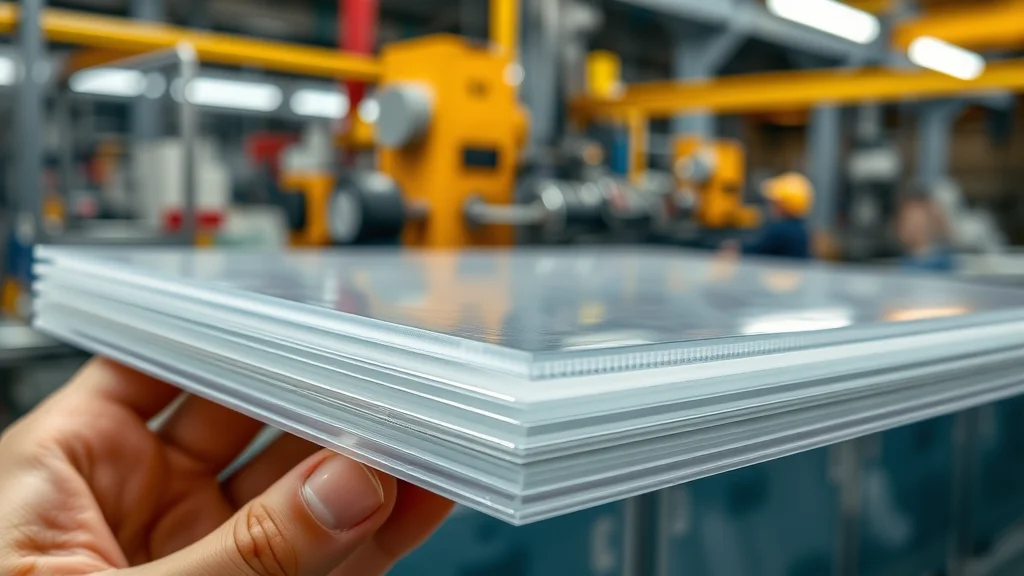
Close-up texture of durable high impact plastic sheets in industrial manufacturing setting with machinery

Applications of High Impact Plastic Sheets in Heavy Duty Manufacturing

Use in Aerospace and Other Critical Industries

Aiden emphasizes, "It's critical that when material is used in aerospace applications, it can perform to the requirements needed for that application." Aerospace manufacturing demands materials that balance strength, weight savings, and environmental resistance. High impact plastic sheets are increasingly utilized for interior components, protective panels, and fabrication of precision parts where metals may be too heavy or prone to corrosion.

Their consistent quality and performance under stress ensure safety and reliability crucial to aerospace and defense sectors.

Packaging, Point of Sale Displays, and Staging

Beyond heavy industrial uses, high impact plastic sheets serve vital roles in packaging solutions and retail staging due to their rigidity and impact resistance. Their ease of thermoforming enables designers to create eye-catching displays that withstand handling and transport, providing durable and reusable commercial fixtures.

Modern packaging and point-of-sale displays made from high impact plastic sheets in retail environment

Automotive and Industrial Components

Automotive manufacturers incorporate high impact plastic sheets for interior panels, trims, and custom components requiring both durability and lightweight properties. Industrial equipment often uses these sheets for guards, housings, and structural parts, benefiting from their chemical resistance and mechanical strength.

High impact plastic sheets used in aerospace manufacturing with futuristic factory setting and machinery

Quality Assurance: Importance of Sourcing and Traceability

Why Choose American Made High Impact Plastic Sheets?

Sourcing high impact plastic sheets from American manufacturers ensures adherence to stringent quality standards and consistency in material properties. Aiden of Interstate Plastics Suppliers states, "We only provide materials and performance plastic materials from North American sources to ensure quality and consistency." This trusted sourcing relationship guarantees reliability critical in heavy duty manufacturing sectors like aerospace and automotive.

Role of ISO Certification in Material Quality

ISO certification provides assurance that suppliers maintain rigorous processes for processing, documentation, and quality controls. Working with ISO certified suppliers reduces the risk of substandard materials entering the manufacturing cycle, ensures regulatory compliance, and maintains product integrity from raw material to finished component.

Lot and Batch Traceability for Manufacturing Reliability

Traceability through lot and batch tracking allows manufacturers to trace materials back to their origin, enabling swift quality audits and accountability. This capability strengthens supply chain transparency, facilitates problem resolution, and supports stringent quality assurance requirements essential in regulated industries.

Comparison of Quality Standards: ISO Certified vs Non-Certified Plastic Suppliers
Feature ISO Certified Suppliers Non-Certified Suppliers
Process Controls Strict and documented Variable, often informal
Traceability Full lot and batch tracking Limited or none
Quality Consistency High & regularly audited Inconsistent
Regulatory Compliance Guaranteed Not assured
Customer Confidence Enhanced Lower

How to Choose the Right High Impact Plastic Sheet for Your Manufacturing Needs

Assessing Impact Strength and Material Thickness

Choosing the correct high impact plastic sheets starts with evaluating the impact resistance requirements of your application. Thicker materials typically offer greater strength but will affect flexibility, weight, and cost. Balancing thickness with performance needs ensures optimum durability without unnecessary expenses.

Evaluating Environmental Resistance and Longevity

Consider environmental factors such as exposure to chemicals, moisture, or UV radiation. Selecting materials with proven resistance extends component life and reduces replacement cycles—key for heavy duty applications exposed to harsh conditions.

Considering Cost and Supplier Reliability

Price is important, but so is supplier dependability. Verifying ISO certification and material traceability supports consistent quality. Consulting experts like Aiden from Industrial Plastic Supply can guide customized selections that marry cost-efficiency with material performance.

  • Verify ISO certification and traceability
  • Request samples to test material properties
  • Consult with experts like Aiden for tailored recommendations

Common Questions About High Impact Plastic Sheets

What is the strongest plastic sheeting?

One of the strongest plastic sheets available is high impact polystyrene (HIPS), known for excellent impact resistance and durability. Other contenders include polycarbonate sheets which offer superior toughness but at a higher cost.

What plastic has the highest impact strength?

Polycarbonate typically has the highest impact strength among plastics, but high impact polystyrene balances strong impact resistance with cost-effectiveness, making it a widely used option in manufacturing.

What is a high impact plastic?

High impact plastics are engineered polymers formulated to withstand greater physical stresses and resist cracking or fracturing. These materials incorporate rubber modifiers or special molecular structures to boost toughness over standard plastics.

What is stronger, 4 mil or 6 mil plastic?

6 mil plastic sheeting is stronger and more durable than 4 mil, offering better resistance to punctures and impacts. However, selection depends on specific application needs balancing strength, flexibility, and cost.

Key Takeaways

  • High impact plastic sheets offer superior durability and impact resistance ideal for heavy duty manufacturing.
  • American made and ISO certified materials ensure quality, traceability, and reliability.
  • Choosing the right type and thickness is essential for optimal performance and cost efficiency.
  • Expert insights from Aiden highlight the critical role of material selection in aerospace and other industries.

Conclusion

As Aiden of Interstate Plastics Suppliers concludes, "Ensuring you're getting quality material from quality manufacturers gives you a quality end product."

For More Information

  • Visit: https://iplasticsupply.com/
  • Call: (714) 978-3520

Sources

  • Industrial Plastic Supply
high density plastic

2 Views

0 Comments

Write A Comment

*
*
Related Posts All Posts
01.28.2026

Common Questions About Choosing Engineering Plastic Sheets for Aerospace Applications

Startling Fact: Did you know that engineering plastics can outlast most metals used in aerospace? This surprising durability makes selecting the right plastic sheet crucial for aerospace professionals aiming for performance and safety Choosing engineering plastic sheets aerospace presents unique challenges and opportunities. This in-depth guide addresses common questions, clears up misconceptions, and explains how to evaluate properties and suppliers for aerospace-grade plastics. Whether you are an engineer, manufacturer, or procurement specialist, understanding these plastics will help you make informed decisions essential to aerospace success. Startling Facts About Choosing Engineering Plastic Sheets Aerospace Applications Understanding the Misconceptions About Engineering Plastics in Aerospace Many people tend to think of plastics as simple consumer items like water bottles or jugs. However, engineering plastics used in aerospace have far superior properties. Hayden Hess, of Industrial Plastic Supply, explains, People think of plastics as water bottles and jugs, whereas engineering and performance plastics are durable, long lasting, and generally can outlast most other materials including metal. These plastics are specifically designed to perform under extreme conditions, including high temperatures, intense mechanical stresses, and exposure to chemicals. This misconception can lead to overlooking plastics as viable aerospace materials, which is a costly mistake. Understanding that plastics in this industry are purpose-built materials with rigorous standards is essential for making the right aerospace material selections. Why Choosing Engineering Plastic Sheets Aerospace Is Critical for the Aerospace Industry For aerospace applications, material reliability can be a matter of safety. Unlike standard plastics, engineering plastics must meet stringent specifications to handle extreme mechanical loads, chemical exposures, and fluctuating temperatures inherent to aerospace environments. Selecting inappropriate materials risks catastrophic failure or reduced component lifespan. Hayden Hess emphasizes that aerospace professionals must scrutinize material performance to ensure parts meet application needs. The importance of precision and reliability in engineering plastic selection cannot be overstated in industries where failure is not an option. Key Properties of Engineering Plastic Materials for Aerospace Applications Mechanical Strength and Wear Resistance in Aerospace Components One of the foremost criteria for engineering plastics in aerospace is exceptional mechanical strength and wear resistance. Aircraft components, such as bushings, gears, and structural parts, undergo constant stress and friction. Plastics like PEEK (Polyether Ether Ketone) exhibit outstanding tensile strength and wear resistance, allowing them to replace heavier or corrosion-prone metals effectively. By choosing plastics with superior mechanical properties, aerospace engineers can ensure parts withstand rigorous operational conditions without deformation or degradation. This durability extends component lifespan and reduces maintenance needs, contributing to overall cost efficiency. Chemical and Temperature Resistance for Engine Components Aerospace components often operate in chemically harsh environments and at elevated temperatures. High-performance plastics must resist solvents, fuels, and lubricants while maintaining their integrity. For example, PEEK and PTFE provide excellent chemical resistance and can tolerate temperatures up to 260°C, making them ideal for engine and sealing applications. The ability to sustain performance under thermal stress without warping or losing mechanical properties makes engineering plastics indispensable in aerospace engine design and function. Fuel Efficiency Benefits from Lightweight Plastic Materials Weight reduction is a critical factor in aerospace design for improving fuel efficiency and performance. Engineering plastics typically weigh much less than metals while offering comparable strength and resilience. By integrating these lightweight materials, manufacturers can reduce aircraft weight significantly. This weight savings translates directly into improved fuel economy, reduced emissions, and increased payload capacities. Hence, choosing engineering plastic sheets aerospace strategically supports sustainability and operational cost goals. How to Choose the Right Engineering Plastic Sheet for Aerospace Applications Evaluating Plastic Material Specifications for Aerospace Application Requirements Choosing engineering plastic sheets aerospace begins with carefully assessing technical specifications such as tensile strength, impact resistance, thermal tolerance, and chemical inertness. Detailed material data sheets help match plastics to the environmental and mechanical demands of specific aerospace components. Manufacturers and engineers must also consider long-term durability and compliance with aerospace regulations. Balancing all these parameters ensures material suitability and avoids costly redesigns or failures. Importance of Sourcing American Made Plastic Materials Sourcing from trusted manufacturers is just as vital as selecting the right material. As Hayden Hess notes, Choosing the proper material and where it is originally manufactured is crucial. We only provide performance plastic materials from North American sources to ensure quality and consistency. American-made materials often come with stringent quality controls, faster delivery times, and traceability that foreign suppliers may lack. This reliability is particularly important in aerospace, where traceability and certification requirements guarantee material authenticity and safety. Prioritizing domestic sourcing strengthens supply chain security and quality assurance. Polyether Ether Ketone (PEEK) and Other High-Performance Polymers in Aerospace Among engineering plastics, Polyether Ether Ketone (PEEK) stands out for aerospace due to its excellent mechanical strength, chemical resistance, and high temperature tolerance. It is widely used in structural parts and engine components demanding longevity and extreme performance. Other high-performance polymers complement PEEK by offering specific advantages like enhanced impact resistance or lower density. Understanding these polymers’ unique properties allows aerospace professionals to tailor solutions to each application. The Role of ISO Certified Plastic Suppliers in Aerospace Material Quality and Traceability Why ISO Certification Matters for Aerospace Plastic Material Suppliers ISO certification demonstrates a supplier’s commitment to consistent quality, process control, and regulatory compliance. In aerospace, these standards help ensure that each batch of plastic materials meets stringent performance criteria. Working with ISO-certified suppliers reduces risk and instills confidence in material quality. Manufacturers relying on these certifications can assure their clients that the plastics used meet internationally recognized benchmarks for quality and traceability. Traceability: Lot and Batch Tracking for Quality Assurance Traceability means maintaining detailed records that link each batch of plastic material back to its original manufacturing source. Hayden Hess highlights, Many of our clients rely on our materials being American made, and that we can give them lot and batch traceability right back to the manufacturer. This ensures they're getting the quality material. This capability is critical for quality control, enabling quick identification and resolution of issues should defects arise. Traceability supports regulatory compliance and simplifies audits in aerospace production. Impact of Traceability on Manufacturing Processes in Aerospace Applications Traceability improves manufacturing processes by enabling precise tracking of materials used in each aerospace component. It streamlines quality assurance checks, facilitates warranty claims, and supports continuous improvement by revealing trends or weaknesses associated with specific lots. For aerospace manufacturers, this means enhanced reliability in final products and stronger adherence to safety and performance standards. Common Mistakes and Misconceptions When Choosing Engineering Plastic Sheets Aerospace Confusing Standard Plastics with Engineering Plastics One frequent error is equating engineering plastics with common plastic products. Standard plastics lack the durability and performance characteristics required in aerospace. Choosing the wrong type not only affects reliability but can lead to mission-critical failures. Clear differentiation and understanding of the engineering-grade plastics' capabilities are essential. Overlooking Material Certification and Traceability Another widespread oversight is ignoring the importance of certifications like ISO and traceability documentation. Without these, sourcing plastic materials carries risks of inconsistent quality and limited accountability, which can jeopardize aerospace projects. Certifications guarantee suppliers meet rigid industry standards. Ignoring the Importance of Material Origin and Supplier Reliability Many underestimate how critical the origin of plastic materials is. Reliable suppliers, especially those based in North America, often offer stricter quality controls, faster support, and better compliance than unverified international sources. Overlooking supplier trustworthiness can result in subpar materials and supply chain disruptions. Actionable Tips for Selecting Engineering Plastic Sheets for Aerospace Applications Verify supplier ISO certification and traceability capabilities Prioritize American made plastic materials for quality assurance Assess mechanical, chemical, and temperature resistance properties Consult with experts to match plastic materials to aerospace application needs Request detailed material specifications and batch documentation What You'll Learn Differences between standard plastics and engineering plastics Critical properties required for aerospace plastic materials How to evaluate and select the right plastic sheet for aerospace applications The importance of ISO certification and traceability in aerospace manufacturing Common pitfalls to avoid when choosing engineering plastic sheets People Also Ask What are engineering plastic sheets used for in aerospace applications? How do I know if a plastic material is suitable for aerospace use? Why is traceability important in aerospace plastic materials? What advantages do engineering plastics have over metals in aerospace? How does ISO certification affect plastic material quality? Comprehensive Table: Comparison of Common Engineering Plastics for Aerospace Applications Plastic Type Mechanical Strength Chemical Resistance Temperature Resistance Typical Aerospace Use Polyether Ether Ketone (PEEK) High Excellent Up to 260°C Engine components, structural parts Polycarbonate Moderate Good Up to 135°C Windows, interior components PTFE (Polytetrafluoroethylene) Low Excellent Up to 260°C Seals, bearings Nylon Moderate Good Up to 120°C Bushings, gears Key Takeaways Choosing engineering plastic sheets aerospace requires understanding their superior durability and performance compared to standard plastics. Material origin and supplier ISO certification are critical for ensuring quality and traceability. Mechanical strength, chemical resistance, and temperature tolerance are key factors in aerospace plastic selection. American made plastic materials provide reliability and consistency for aerospace applications. Avoid common misconceptions by consulting experts and verifying material specifications. Conclusion Final Thoughts on Choosing Engineering Plastic Sheets Aerospace Hayden Hess concludes, Making sure that you're getting a quality material from quality manufacturers gives you a quality end product. Next Steps for Aerospace Professionals Evaluate your current plastic material suppliers for ISO certification and traceability. Consult with material experts to identify the best engineering plastic sheets for your aerospace applications. Prioritize sourcing from trusted North American manufacturers. Implement rigorous quality checks based on batch and lot traceability. Stay informed on advances in engineering plastics technology for aerospace. For More Information Visit: https://iplasticsupply.com/ Call: (714) 978-3520 Sources https://iplasticsupply.com/

01.28.2026

Why Is ISO Certification Important for Plastic Material Suppliers? Answers You Need

Did you know that over 60% of manufacturing defects in plastic products can be traced back to uncertified suppliers? Understanding the importance of ISO certification plastics is critical for ensuring product quality and operational excellence What You'll Learn The definition and significance of ISO certification in the plastics industry How ISO certified plastic manufacturers enhance product quality and traceability The impact of ISO standards on operational efficiency and customer satisfaction Best practices for selecting certified plastic suppliers Common misconceptions about ISO certification and plastic manufacturing Understanding ISO Certification and Its Role in Plastic Manufacturing What is ISO Certification? ISO certification represents a globally recognized set of standards designed to ensure quality, safety, efficiency, and consistency within manufacturing processes. Specifically, in the plastics industry, obtaining ISO certification means that a manufacturer adheres to rigorous criteria that govern production, quality control, and documentation. It is a commitment to meeting international standards that boost product reliability and regulatory compliance. While consumers often think of plastic products as everyday items with variable quality, plastic manufacturers that are ISO certified demonstrate a higher degree of control over their processes, ensuring each batch of materials meets stringent specifications. This ultimately translates into superior performance and fewer defects in the final plastic products used across industries. Why ISO Certification Matters for Plastic Manufacturers Hayden Hess, of Industrial Plastic Supply, explains, “Being ISO certified means that we do the processing, the paperwork, and ensure the quality materials you need are delivered consistently.” This statement underscores how certification extends beyond paperwork to involve meticulous control over both the manufacturing workflow and the associated documentation. In sectors reliant on plastics—such as aerospace, automotive, and medical devices—the reliability of materials can never be compromised. ISO certification demonstrates that a plastic manufacturer is accountable for producing materials that consistently meet required standards, reducing risk and enhancing confidence for their customers across critical applications. How ISO Certified Plastic Suppliers Ensure Quality and Traceability Lot and Batch Traceability in Plastic Products One of the key advantages of working with ISO certified suppliers revolves around traceability. We live in an era where transparency in the supply chain can mean the difference between operational success and costly recalls. Certified suppliers assign lot and batch numbers to their plastic materials, which can be traced directly back to their origin, manufacturing date, and processing parameters. This traceability is essential not only for quality assurance but also for compliance with regulatory demands. Manufacturers can verify that the materials they use come from trusted sources and meet specifications critical to their products’ safety and durability. According to Hayden Hess, “Many of our clients rely on our materials being American made, and that we can give them lot and batch traceability right back to the manufacturer. This ensures they're getting the quality material.” This assurance strengthens end-product integrity and builds trust within highly scrutinized industries. Impact on Product Quality and Manufacturing Standards The process of ISO certification integrates a comprehensive quality management system. This system establishes controls that monitor every step from raw material procurement to the final production phase. The result is a reduction in defects and enhanced conformity to manufacturing standards that elevate product quality. By implementing these standards, manufacturers ensure that their plastic materials are consistent and reliable, minimizing variation that could compromise performance. This systematic approach is the foundation of meeting customer expectations and passing industry audits with confidence. Benefits of ISO Certification for Plastic Manufacturers and Customers Enhancing Operational Efficiency ISO certification streamlines manufacturing processes by enforcing standard operating procedures and continuous monitoring. This minimizes waste, reduces production delays, and lowers costs. Automated systems within certified plants are routinely audited to maintain compliance with ISO standards, ensuring materials are produced efficiently without sacrificing quality. Operational efficiency gained through certification also allows manufacturers to scale production and meet tight delivery schedules, which is crucial in industries with fast turnaround demands. Boosting Customer Satisfaction and Trust When customers partner with ISO certified plastic suppliers, they gain more than just high-quality materials. They enjoy transparency, reliability, and consistent performance—all of which build long-term relationships based on trust. This trust is particularly vital when the plastic components form part of safety-critical products. As Hayden Hess highlights, certified suppliers work closely with clients to ensure specifications are met, communicating openly about materials’ provenance and quality parameters, thereby reinforcing customer confidence. Common Misconceptions About ISO Certification in the Plastics Industry ISO certification is only about paperwork — in reality, it ensures rigorous quality management systems that span the entire production. All plastic manufacturers have ISO certification — many do not, which can risk product quality and supplier reliability. ISO certification guarantees perfection — while it establishes a framework for continuous improvement, it requires ongoing commitment and effort to maintain high standards. How to Choose the Right ISO Certified Plastic Supplier Verify the supplier’s ISO certification status and the scope of their certification to ensure it covers relevant aspects of plastic manufacturing. Assess their traceability capabilities and documentation practices to guarantee transparency in material sourcing and production. Evaluate their commitment to continuous improvement and customer service, reflecting their dedication to maintaining excellence. Consider sourcing from trusted North American manufacturers for added assurance of quality and consistency. Hayden Hess emphasizes, “Choosing the proper material and where it is originally manufactured is critical. We only provide performance plastic materials from North American sources to ensure quality and consistency.” This advice highlights how supplier origin factors into the overall trust and quality assurance equation. People Also Ask What does ISO certification mean for plastic manufacturers? How does ISO certification improve product quality in plastics? Why is traceability important in plastic material supply? Can ISO certification impact operational efficiency? How to verify if a plastic supplier is ISO certified? Key Takeaways ISO certification is essential for ensuring quality management in plastic manufacturing. Traceability provided by ISO certified suppliers guarantees material authenticity and compliance. Working with certified plastic manufacturers enhances operational efficiency and customer satisfaction. Selecting suppliers with transparent sourcing and certification reduces risks in production. Continuous improvement is a core benefit of adhering to ISO standards. Aspect Benefit of ISO Certification Impact on Plastics Industry Quality Management System Consistent product quality Reduces defects and recalls Traceability Material origin tracking Ensures compliance and accountability Operational Efficiency Streamlined processes Lowers production costs Customer Satisfaction Increased trust Builds long-term partnerships Continuous Improvement Ongoing enhancements Drives innovation and competitiveness Conclusion For manufacturers aiming for quality and reliability, prioritizing ISO certified plastic suppliers with robust traceability and operational excellence is a smart, strategic move that safeguards products from material inconsistencies. Call to Action For more information visit: https://iplasticsupply.com/ and/or call: (714) 978-3520 Sources https://iplasticsupply.com/

01.28.2026

Comparing Mechanical Plastic Rods and Metal Rods for Durable Manufacturing Components

Did you know that engineering plastics can often outlast metals in demanding applications? While most people picture plastics as everyday containers or packaging, mechanical plastic rods vs metal rods offer vastly different performance traits essential for modern manufacturing Startling Facts About Mechanical Plastic Rods vs Metal Rods in Manufacturing The difference between mechanical plastic rods vs metal rods goes beyond simple material choice—it's a balance of weight, corrosion resistance, strength, and cost-efficiency. Whereas metals have traditionally dominated manufacturing components for their mechanical strength and longevity, mechanical plastic rods have grown in prominence due to their versatility and high resistance to chemicals and wear. One surprising fact many overlook is the superior corrosion resistance and dimensional stability that certain plastic rods provide, making them indispensable in environments where metals may degrade or require excessive maintenance. These characteristics position plastic rods as a competitive alternative in sectors like aerospace, automotive, and industrial manufacturing. Hayden Hess of Industrial Plastic Supply emphasizes, “Engineering and performance plastics are durable, long lasting, and generally can outlast most other materials including metal.” This nuanced understanding challenges outdated perceptions and highlights why plastics increasingly matter in manufacturing innovation. Unconventional Insights into Plastic Rods and Metal Rods Usage Unlike traditional views that associate strength exclusively with metal, modern engineering plastics enhanced with additives such as carbon fiber composite can outperform metals in weight-sensitive applications without sacrificing structural integrity. Carbon fiber reinforced plastic rods blend lightweight performance with exceptional strength, often surpassing metal rods in longevity and fatigue resistance. This balance is critical in manufacturing areas where reducing weight translates to improved efficiency and cost savings. Additionally, plastics offer low friction and enhanced wear resistance—key attributes in precision parts and components where smooth operation is paramount. Overview of Plastic Rods and Metal Rods in Durable Manufacturing Components Defining Mechanical Plastic Rods and Metal Rods Mechanical plastic rods refer to high-performance rods made from advanced polymer materials such as nylon, acetal, and ultra-high-molecular-weight polyethylene (UHMW). These rods are engineered specifically to endure mechanical stress, resist abrasion, and maintain dimensional stability under various environmental conditions. On the other hand, metal rods include steels, aluminum alloys, and other metals prized for their high tensile strength and durability. Each material category serves distinct roles in manufacturing, but the lines are blurring as engineering plastics achieve higher performance levels once exclusive to metals. The choice depends heavily on the requirements for strength, weight, corrosion resistance, and mechanical wear. Engineering Plastic and Plastic Sheets: Key Materials in Manufacturing Alongside rods, engineering plastics are widely available as sheets, tubes, and custom-molded parts, facilitating versatile applications. Plastic sheets serve as raw material for precision machining into components that demand chemical and impact resistance. When used as rods, these plastics are processed through specialized techniques such as injection molding, extrusion, and machining to meet exacting specifications. Aiden, of iPlasticSupply, explains, "Engineering and performance plastics are durable, long lasting, and generally can outlast most other materials including metal." Types of Plastic Rods and Their Engineering Applications Common Types of Plastic Rods Used in Manufacturing Manufacturers rely on many types of plastic rods, including: Nylon Rods: High strength and wear resistance, used in gears and bearings. Acetal Rods (Delrin): Low friction, excellent dimensional stability. UHMW Rods: Exceptional abrasion resistance, ideal for heavy wear applications. Polycarbonate Rods: High impact resistance, used where toughness is critical. These rods offer tailored properties that address challenges such as weight reduction, corrosion resistance, and mechanical flexibility unseen with metal alternatives. Carbon Fiber Reinforced Plastic Rods and Their Advantages Carbon fiber reinforced plastic (CFRP) rods combine polymers with carbon fibers to produce components renowned for high strength-to-weight ratio and great stiffness. These rods are increasingly popular for aerospace and advanced manufacturing sectors where performance cannot be compromised. CFRP rods offer enhanced fatigue resistance and dimensional stability while being significantly lighter than traditional metals. This makes them ideal for applications where minimizing weight directly improves performance and longevity. Their chemical inertness also ensures resistance to harsh environments. Comparing Mechanical Plastic Rods vs Metal Rods: Performance and Durability Dimensional Stability and Chemical Resistance of Plastic Rods Mechanical plastic rods stand out for their superior dimensional stability under temperature changes and aggressive chemical exposure. Unlike metals, which can corrode or warp, plastics like UHMW and acetal resist most solvents, oils, and chemicals, minimizing maintenance needs, and extending service life. Such properties are particularly beneficial in environments exposed to moisture or chemicals, ensuring components maintain tolerances and mechanical integrity over time. This reliability is critical in precision equipment or aerospace applications demanding consistent performance. Mechanical Strength and Longevity of Metal Rods Metal rods generally exhibit exceptional mechanical strength, offering impressive load-bearing capacity and impact resistance. They excel in applications demanding hardness, such as in structural frameworks, shafts, and heavy machinery components. However, metals can suffer from corrosion and require protective coatings or treatments to prevent degradation. They are also typically heavier than plastic counterparts, potentially increasing energy consumption in some applications. Choosing the right metal rod depends on balancing these factors against design goals. According to Aiden, "Choosing the proper material and where it is originally manufactured is critical. We only provide performance plastic materials from North American sources to ensure quality and consistency." Injection Molding and Manufacturing Processes for Plastic Rods How Injection Molding Enhances Plastic Rod Production Injection molding enables precise shaping of plastic rods with consistent high-quality characteristics. This process heats the polymer to a molten state before injecting it into molds, allowing the production of complex cross-sections and superior surface finishes. Enhanced quality control during molding leads to parts meeting specific engineering tolerances. Advanced injection molding techniques also reduce material waste and increase production speed, making them ideal for large-scale manufacturing of mechanical plastic rods with demanding specifications. Comparing Manufacturing Techniques for Metal Rods Metal rod manufacturing involves extrusion, forging, rolling, or machining depending on the metal type and desired properties. These processes ensure high mechanical strength and durability but often involve higher energy consumption and longer production times compared to plastics. Special techniques like heat treating and surface finishing (e.g., galvanizing) may be required to enhance corrosion resistance and wear characteristics. The cost and complexity of metal rod manufacturing can vary widely based on metal selection and processing technology. Pros and Cons of Mechanical Plastic Rods vs Metal Rods Advantages of Using Plastic Rods in Manufacturing Plastic rods provide a lightweight, corrosion-resistant option with excellent wear and chemical resistance. They help reduce operational costs due to their minimal maintenance needs and easier machining. The availability of reinforced plastics like CFRP adds strength and stiffness comparable to metals, broadening application possibilities. Advantages and Limitations of Metal Rods Metal rods offer unmatched mechanical strength and durability under heavy loads and high temperatures. They are ideal for high-impact and structural uses. However, metals are prone to corrosion without protective coatings, may require more maintenance, and add significant weight, potentially impacting efficiency in some applications. Common Misconceptions About Plastic Rods Many believe plastics lack durability or are only suitable for low-stress uses. This is a misconception. Modern engineering plastics are designed for high-performance tasks and can outperform certain metals under specific conditions. Another myth is that plastics are environmentally inferior; however, their durability can reduce replacement frequency, lowering environmental impact. Expert Insights and Best Practices for Selecting Plastic Rods and Metal Rods Aiden emphasizes, "It's critical to buy from suppliers who provide ISO certified materials with lot and batch traceability to guarantee quality." Importance of ISO Certification and Traceability in Material Selection Reliable sourcing is key in manufacturing durable components. ISO certification assures that suppliers meet consistent quality standards in both materials and documentation. Lot and batch traceability enable manufacturers to validate the origin and quality of every rod used, crucial for industries with strict compliance and safety requirements. Ensuring Quality Through North American Sourcing Sourcing mechanical plastic rods and metal rods from North American manufacturers often guarantees higher oversight, faster delivery, and strict adherence to quality protocols. This proximity benefits companies needing rapid response times and stringent material certifications for mission-critical components. Actionable Tips for Choosing Between Mechanical Plastic Rods and Metal Rods Assessing Application Requirements and Environmental Factors Start by evaluating the mechanical loads, environmental exposure, and operational temperatures your component will face. Corrosive or chemically aggressive settings often favor plastic rods, while extremely high stress or thermal conditions may require metal rods. Evaluating Cost, Weight, and Performance Trade-offs Weigh the initial material and processing costs against the lifecycle benefits. Plastic rods often reduce weight and maintenance expenses, while metal rods might incur higher upfront costs but offer unmatched durability in specific cases. Factor in machining and tooling requirements to optimize total cost and performance. Comparison Table: Mechanical Plastic Rods vs Metal Rods Property Mechanical Plastic Rods Metal Rods Typical Applications Weight Lightweight - reduces overall component mass Heavier - added strength but increased weight Aerospace components, lightweight machinery Corrosion Resistance Excellent - resistant to many chemicals and moisture Prone without coatings - may rust or corrode Marine equipment, chemical environments Mechanical Strength High, especially with carbon fiber reinforcement Very High - optimal for heavy load bearing Structural supports, shafts, industrial tools Dimensional Stability Excellent under normal temperature ranges Good, but may expand or contract under heat Precision components, seals, gears Cost Generally lower material and machining cost Higher upfront cost, specialized machining Cost-sensitive mass production, specialty parts Maintenance Minimal - no rust, less wear Moderate to high - requires protection and upkeep Long-term machinery, outdoor applications People Also Ask: FAQs on Mechanical Plastic Rods vs Metal Rods What are the disadvantages of plastic rods? Plastic rods can have lower heat resistance compared to metals, may deform under very high mechanical loads, and their surface hardness can be less than metal rods. However, reinforcement like carbon fiber can mitigate many of these drawbacks. What is the advantage of using a plastic or metal form? Plastic forms offer lightweight, corrosion resistance, and chemical stability, while metal forms provide superior mechanical strength and durability under extreme stress or temperature conditions. The choice depends on application demands. What are three advantages of making plastic gears instead of metal gears? Lower noise during operation due to material damping. Resistance to corrosion and chemical attack. Weight reduction improving efficiency in moving parts. What are plastic rods used for? Plastic rods serve in applications including precision mechanical parts, bushings, wear strips, gears, rollers, and components requiring chemical resistance and low friction, widely applied across aerospace, automotive, and industrial sectors. Key Takeaways on Mechanical Plastic Rods vs Metal Rods Mechanical plastic rods offer superior chemical resistance and dimensional stability. Metal rods provide unmatched mechanical strength but may be heavier and prone to corrosion. ISO certification and traceability are essential for ensuring material quality. Sourcing from North American manufacturers guarantees consistency and reliability. Choosing the right material depends on specific application needs and environmental conditions. Conclusion: Making Informed Choices Between Mechanical Plastic Rods and Metal Rods Balancing Performance, Cost, and Durability in Manufacturing Components Manufacturers should prioritize application demands, environmental considerations, and lifecycle costs to decide between plastic and metal rods effectively. Leveraging expert advice and certified suppliers ensures durable, reliable components that deliver superior performance. Final Thoughts from Aiden of iPlasticSupply Aiden concludes, "Quality in, quality out — it all starts with trusted sourcing and traceability to deliver durable manufacturing components." For More Information Visit: https://iplasticsupply.com/ Call: (714) 978-3520 What You'll Learn Differences and similarities between mechanical plastic rods and metal rods. Types and applications of plastic rods in manufacturing. The significance of ISO certification and traceability in material quality assurance. Advantages and limitations of both rod types for durable manufacturing components. Actionable tips for selecting suitable materials based on application needs. Sources https://iplasticsupply.com/

Terms of Service

Privacy Policy

Core Modal Title

Sorry, no results found

You Might Find These Articles Interesting

T
Please Check Your Email
We Will Be Following Up Shortly
*
*
*