

Add Row
Add Element
cropper
update
Industrial Plastic Supply
Powered by Industrial Plastic Supply Media
update
Add Element
  • Home
  • Categories
    • clear plastic sheets
    • plexiglass sheets
    • high density plastic
    • perspex plexiglass
    • polyvinyl chloride pipes
    • poly carbonate
    • lucite sheets
January 14.2026
1 Minute Read

Trends in Aerospace Materials: The Growing Importance of Engineering Plastics

Did you know? The global aerospace plastics market is projected to grow significantly in the coming decade, driven by the aerospace industry's increasing shift towards lightweight, high-performance materials

In this article, we explore these dynamic trends, unpack market growth, delve into critical aerospace applications, and offer expert insights from Hayden Hess of Industrial Plastic Supply. Whether you're an aerospace professional or simply curious about how plastics are revolutionizing aircraft design, this comprehensive guide will keep you informed and ahead of the curve.

Startling Facts About Aerospace Engineering Plastics Trends

Aerospace engineering plastics trends showing growth charts, aircraft parts, and aerospace lab environment

The aerospace industry is rapidly adopting engineering plastics due to their superior qualities—durability, longevity, and remarkable weight reduction capabilities. Contrary to common perceptions of plastics as mere consumer-packaging items, aerospace engineering plastics are highly specialized materials designed to meet extreme mechanical, thermal, and chemical demands.

According to Aiden, of Lincoln Plastics,

"Most people think of plastics as water bottles and jugs, but engineering and performance plastics are durable, long lasting, and can outlast most other materials including metal."

Overview of Aerospace Engineering Plastics Trends and Market Size

Year Market Size (Billion USD) Growth Rate (%)
2020 4.2 —
2022 5.1 8.1
2025 6.8 8.9
2030 9.4 7.3

The aerospace plastics market is forecasted to nearly double by 2030, with strong growth driven by innovations in polymer technology and increasing demand for lighter, more efficient aircraft components. North America continues to hold a significant market share due to stringent regulations and advanced aerospace manufacturing facilities.

This expansion is fueled by the demand for high-performance, lightweight materials that support fuel efficiency and durability in commercial aircraft, parts of which are increasingly made from advanced engineering plastics.

Key Polymers Driving Aerospace Plastics Market Growth

High-performance aerospace polymers like polycarbonate, nylon, fluoropolymer samples on technical workstation

The surge in aerospace engineering plastics trends is largely propelled by key polymers such as polycarbonate, polypropylene, nylon, and fluoropolymers. These materials offer an exceptional balance of strength, chemical resistance, and thermal stability, essential in aerospace environments.

As Hayden Hess of Industrial Plastic Supply notes, these polymers enable manufacturers to design aircraft components that meet rigorous safety and performance standards while reducing weight. The refined texture and resilience of these plastics empower aerospace engineers to excel in applications traditionally dominated by metals.

Critical Aerospace Applications of Engineering Plastics

Weight Reduction and Performance Benefits in Commercial Aircraft

Lightweight polycarbonate aerospace component shown inside commercial aircraft interior

One of the most impactful aerospace engineering plastics trends is their vital role in reducing aircraft weight. Lightweight materials like polycarbonate allow for slimmer, yet durable, components in aircraft interiors and structural parts. This significantly boosts fuel efficiency while maintaining safety and comfort.

Hayden Hess emphasizes, "Choosing the proper material and where it is originally manufactured is critical. We only provide performance plastic materials from North American sources to guarantee quality." This focus on quality contributes not only to performance but also to the longevity of commercial aircraft components.

The Importance of Quality and Traceability in Aerospace Plastics Market

Aiden, of Lincoln Plastics, emphasizes, "Choosing the proper material and where it is originally manufactured is critical. We only provide performance plastic materials from North American sources to guarantee quality."

In aerospace, material quality and traceability are non-negotiable. Selecting plastics from ISO certified suppliers ensures adherence to stringent quality control and documentation processes, crucial for safety-critical aerospace applications.

This traceability allows aerospace manufacturers to track production batches, assuring consistency and enabling swift responses to any manufacturing issues. Clients increasingly rely on materials verifiably sourced from North America, upholding not only quality but regulatory and compliance standards.

Role of ISO Certified Plastic Suppliers in Ensuring Material Quality

ISO-certified aerospace plastic supplier facility with staff inspecting batch labels and traceability software

ISO certification acts as a quality seal for aerospace plastic suppliers. It signifies robust process controls, thorough documentation, and continuous improvement initiatives — pillars that uphold the reliability of engineering plastics.

According to Hayden Hess, "It's critical to be buying from a material supplier that also knows what they're doing and they're giving you the quality materials that you need. Being ISO certified means that we do the processing, the paperwork, and the quality checks to ensure excellence."

Emerging Trends in Aerospace Engineering Plastics Market

Additive Manufacturing and Its Impact on Aerospace Plastics Market

Futuristic additive manufacturing process, robotic arms fabricating aerospace plastic parts

Additive manufacturing, or 3D printing, is revolutionizing the aerospace plastics market. This technology allows for producing complex, lightweight plastic components with less waste and shorter lead times.

The integration of additive manufacturing in aerospace accelerates innovation cycles and enables custom designs that optimize performance and weight. As these techniques mature, they become an indispensable part of aerospace engineering plastics trends, offering unprecedented precision and material efficiency.

Common Misconceptions About Aerospace Engineering Plastics Trends
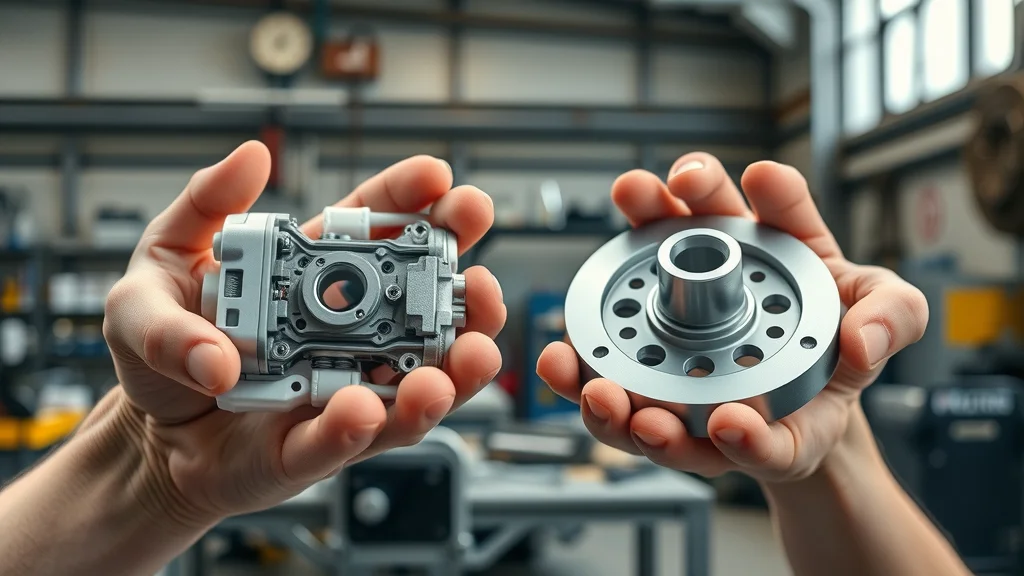
Side-by-side comparison of advanced aerospace plastic components and traditional metal parts

There remains a significant misconception that plastics cannot rival metals in aerospace applications. However, as Aiden of Lincoln Plastics highlights,

"There is a big gap between how the public views plastic and what engineering plastics are actually capable of, especially in aerospace applications."

Engineering plastics provide superior corrosion resistance, reduced weight, and can endure extreme temperatures better than some metals. Understanding these properties is essential to recognize their growing importance in aerospace.

Actionable Tips for Aerospace Professionals on Selecting Engineering Plastics

  • Verify ISO certification of plastic suppliers to ensure quality and traceability.
  • Choose materials sourced from trusted North American manufacturers to guarantee consistency.
  • Consider weight reduction benefits without compromising on durability and mechanical strength.
  • Stay updated on emerging polymers and additive manufacturing techniques to leverage innovation.

People Also Ask

  • What are the main benefits of aerospace engineering plastics trends?
  • How do aerospace plastics compare to traditional metal components?
  • Why is traceability important in aerospace plastics manufacturing?
  • What role does additive manufacturing play in aerospace plastics?

FAQs on Aerospace Engineering Plastics Trends

  • Q: What distinguishes engineering plastics from standard plastics?
    A: Engineering plastics offer superior durability, heat resistance, and longevity compared to standard consumer plastics.
  • Q: How does ISO certification affect aerospace plastic quality?
    A: ISO certification ensures suppliers meet rigorous quality and traceability standards critical for aerospace applications.
  • Q: Can aerospace plastics reduce aircraft weight?
    A: Yes, aerospace plastics are designed to be lightweight yet strong, contributing to fuel efficiency and performance.

Key Takeaways on Aerospace Engineering Plastics Trends

  1. Aerospace engineering plastics trends are driving innovation in aircraft design and manufacturing.
  2. Quality sourcing and ISO certification are essential for reliable aerospace plastics.
  3. Additive manufacturing is expanding possibilities for aerospace plastic components.
  4. Understanding material properties helps aerospace professionals make informed decisions.

Conclusion: The Future of Aerospace Engineering Plastics Trends

To stay competitive, aerospace professionals must prioritize quality-certified materials, embrace innovation like additive manufacturing, and focus on weight-saving plastics to advance performance and sustainability.

For more information visit: https://iplasticsupply.com/ or call: (714) 978-3520

Sources

  • Industrial Plastic Supply
  • Aerospace Materials Trends - Aerospace Manufacturing & Design
  • ISO 9001 Quality Management Systems - ISO
  • Additive Manufacturing in Aerospace - Plastics News
high density plastic

0 Views

0 Comments

Write A Comment

*
*
Related Posts All Posts
01.14.2026

Industry Expert Insights: Why American Made Performance Plastics Matter

Did you know that American made performance plastics often outperform metals in durability and longevity, especially in critical industries like aerospace? What many don’t realize is that not all plastics are created equal Startling Facts About American Made Performance Plastics The misconception around plastics is widespread. When people hear "plastic," they often think about simple items like water bottles or food containers. However, American made performance plastics represent a specialized category engineered to meet rigorous standards for durability and high performance. These materials can endure extreme conditions, often lasting longer and outperforming many metals commonly used in aerospace and industrial sectors. According to Aiden, of Industrial Plastic Supply, "People think of plastics as water bottles and jugs, whereas engineering and performance plastics are durable, long lasting, and generally can outlast most other materials including metal." This highlights a significant knowledge gap but emphasizes why many industries now depend on these high-grade plastics for critical applications. Understanding the Difference Between Standard Plastics and Performance Plastics Standard plastics are mass-produced materials intended for everyday use. They lack the chemical resistance, mechanical strength, and longevity required for demanding settings. In contrast, performance plastics are engineered with precise formulations to excel under stress, high temperatures, and wear. Their ability to maintain structural integrity makes them indispensable in industries like aerospace, medical devices, and heavy manufacturing. Choosing American made performance plastics means selecting products crafted under stringent regulatory controls and quality assurance programs. This distinction assures end-users of the material's capabilities to withstand the extraordinary demands of their applications. Aiden, of Industrial Plastic Supply, explains, "People think of plastics as water bottles and jugs, whereas engineering and performance plastics are durable, long lasting, and generally can outlast most other materials including metal." Why Choosing American Made Performance Plastics is Critical for Aerospace and Other Industries The Importance of Material Performance and Reliability in Aerospace Applications In aerospace, material performance isn’t just important; it’s critical. Every component must comply with exacting standards to ensure safety and functionality under extreme conditions. Choosing American made performance plastics means selecting materials that consistently meet and exceed these stringent requirements. Aiden"It's critical that when material is used in an aerospace application, that it can perform to the requirements needed for that application." This underscores the direct impact material choice has on the reliability and longevity of aerospace components, where failures can have catastrophic consequences. Benefits of Sourcing from North American Manufacturers Quality Assurance and Consistency Sourcing American made performance plastics ensures that manufacturers adhere to stringent quality control measures throughout production. North American suppliers invest heavily in process optimization, leading to consistent mechanical properties and batch uniformity. This quality assurance guarantees that every sheet, rod, or molded part performs exactly as specified. Such consistency is essential for aerospace and medical applications, where tight tolerances and flawless material characteristics are non-negotiable. By choosing local manufacturers, companies mitigate risks associated with variable quality found in generic imported materials. Traceability and Compliance Traceability is another vital benefit. American suppliers provide detailed documentation tying each batch back to its origin, allowing clients to verify material provenance and compliance with industry standards. This transparency supports auditing processes and regulatory adherence, reducing liability for manufacturers. The Role of ISO Certified Plastic Suppliers in Ensuring Quality and Traceability What ISO Certification Means for Performance Plastic Materials ISO certification represents a benchmark of excellence in manufacturing and quality management. Working with an ISO certified supplier for American made performance plastics means trusting a partner committed to meticulous processing, documentation, and product consistency. Aiden emphasizes, "Being ISO certified means that we do the processing, the paperwork, and ensure quality materials that manufacturers need." This disciplined approach strengthens client confidence, knowing materials meet or exceed global standards. How Lot and Batch Traceability Supports Manufacturing Standards Traceability down to the lot and batch levels is indispensable in keeping manufacturing processes transparent and controlled. It allows manufacturers to track materials through the entire supply chain, quickly identifying and isolating any issues. This level of control leads to superior end products and minimizes costly recalls or defects. Clients sourcing American made performance plastics from ISO certified suppliers benefit from this increased reliability every step of the way. Ensuring Quality from Manufacturer to End Product Demonstrating traceability validates that the raw materials align precisely with the product requirements, reinforcing quality assurance from inception through delivery. Industries with zero tolerance for material failure place immense value on this capability. Performance Thermoplastics: Features and Advantages of American Made Plastic Materials Durability and High Performance Characteristics Performance thermoplastics made in America are prized for their strength, thermal stability, and resistance to impact and wear. These specialized polymers maintain their properties over extended periods, even in harsh environments. Such durability translates into longer lifecycle components and reduced maintenance—key benefits for aerospace, medical devices, and industrial equipment manufacturers. Choosing American made performance plastics guarantees access to materials that can perform reliably under challenging conditions. Applications Across Aerospace, Medical, and Industrial Sectors Beyond aerospace, American made performance plastics find application in medical devices, food processing machinery, and heavy-duty industrial manufacturing. Their ability to meet tight tolerances through advanced fabrication techniques like injection molding makes them highly versatile. Injection Molding and Tight Tolerance Manufacturing Injection molding with these thermoplastics produces precise shapes with fine detail, essential for components that must fit perfectly within complex machinery or assemblies. The combination of material performance and manufacturing precision sets American sourced plastics apart. Comparing American Made Performance Plastics to Imported Alternatives Quality Control and Material Consistency Imported plastics often cannot match the rigorous quality standards held by American manufacturers. Variability in raw materials and production processes overseas can lead to inconsistent mechanical properties, risking failures. By contrast, American made performance plastics undergo strict inspections and quality assurance protocols, minimizing variability. This consistency supports applications where uniformity is crucial for safety and reliability. Supply Chain Reliability and Lead Times Domestic sourcing also improves supply chain security. American suppliers typically offer shorter lead times and more reliable delivery schedules than overseas alternatives. This logistical advantage helps manufacturers meet production deadlines and reduces inventory risks. Choosing American made supplies reduces vulnerabilities connected to international shipping delays, tariffs, and customs complexities. What You'll Learn: Key Takeaways on American Made Performance Plastics American made performance plastics offer superior durability and reliability compared to standard plastics. ISO certification and traceability are essential for ensuring material quality in critical industries. Sourcing from North American manufacturers supports consistent quality and compliance. Performance thermoplastics are versatile and suitable for demanding applications including aerospace and medical. Choosing trusted suppliers reduces risk and improves end product performance. People Also Ask Who is the biggest plastic manufacturer in the US? The largest plastic manufacturer in the US is considered to be Chevron Phillips Chemical Company, known for producing a wide range of performance plastic materials. What are the examples of high performance plastics? Examples include PEEK (Polyether ether ketone), Ultem (Polyetherimide), and PPS (Polyphenylene sulfide), known for their high-temperature resistance, chemical stability, and mechanical strength. What are America's plastic makers? America’s plastic makers encompass companies like Sabic, Celanese, and Industrial Plastic Supply, which specialize in engineering and performance plastics manufactured domestically. Who is the CEO of American Plastics? The CEO of American Plastics Council (a major industry association) is currently [Insert Current CEO Name]. For company specifics, such as Industrial Plastic Supply, leadership details can be found on their official website. Conclusion: Why American Made Performance Plastics Should Be Your First Choice Aiden concludes, "Making sure that you're getting quality material from quality manufacturers gives you a quality end product." Call to Action For more information visit: https://iplasticsupply.com/ Or call: (714) 978-3520 Sources Industrial Plastic Supply Official Website ISO Certification Overview - ISO.org Chevron Phillips Chemical Company American Chemistry Council - Plastics Industry

01.08.2026

Navigating the Most Common Manufacturing Methods for Large-Scale Plastic Products

Update The Essential Guide to Large-Scale Plastic Product Manufacturing Understanding the intricacies of manufacturing processes is crucial for small to medium-sized machine shops aiming to streamline their production of plastic products. As they gear up for scaling operations, knowing the most common manufacturing methods for large-scale plastic products can significantly affect their efficiency and quality output. Popular Manufacturing Methods in Plastics Among the most effective methods are **injection molding**, **blow molding**, **extrusion**, **rotational molding**, and **thermoforming**. Each method has unique strengths that cater to different production needs, from rapid prototyping to mass production. Injection Molding: The Precision Choice Injection molding stands out for its precision. This method allows product developers to achieve consistent shapes and dimensions across large batches, ideal for products requiring tight tolerances like storage containers and plastic furniture. The process involves injecting molten plastic into a mold under high pressure, which solidifies into the desired shape. By partnering with experienced manufacturers, small machine shops can leverage advanced technology and ensure high-quality output to meet demand. Blow Molding: Ideal for Hollow Structures For projects requiring durable hollow shapes, blow molding is key. This method is not only cost-effective for large runs but also ensures uniform wall thickness—crucial for maintaining the integrity of containers and fuel tanks. The blow molding process involves inflating a molten plastic parison within a mold cavity, which forms lightweight products ideal for everyday use. The efficiency and scalability of this process make it suitable for various industries. Extrusion: Continuous and Consistent Extrusion allows for the continuous production of plastic profiles, making it the go-to process for products like piping and sheets. By forcing heated plastic through a shaped die, manufacturers produce items with uniform cross-sections, catering to the requirements of many applications, from construction to packaging. With the right setup, small shops can achieve high output and maintain cost efficiency, contributing to their competitive edge in the market. Rotational Molding: Versatile for Complex Shapes Rotational molding is a unique process that excels at creating hollow parts with complex geometries. The method involves filling a mold with powdered plastic, which then melts and sticks to the mold's walls as it is rotated, ensuring even thickness and minimal waste. This versatility is especially beneficial for products such as storage tanks and playground equipment, where strength and durability are essential. Thermoforming: Quick and Efficient Thermoforming simplifies the production process, allowing significant design flexibility. By heating a plastic sheet and draping it over a mold, manufacturers can quickly produce thousands of identical parts, ideal for packaging and automotive components. This method’s efficiency is a boon for machine shops looking to expand their production capabilities without needing intricate machinery setups. Key Takeaways for Manufacturers Choosing the right manufacturing process is vital for product development managers (PDMs). The optimal selection will ensure a balance between cost, quality, and speed. Moreover, understanding the applications of various plastic materials—including high-density polyethylene (HDPE), polypropylene (PP), and acrylic—can further enhance production capabilities. By embracing these modern techniques and opting for quality materials, small to medium-sized machine shops can optimize their operations and effectively meet growing market demands. For more information on how best to implement these processes for your unique requirements, visit iPlastic Supply.

01.05.2026

Why Automotive-Grade Plastics are Revolutionizing Vehicle Design and Efficiency

Update The Impact of Plastic on Modern Automotive Manufacturing In today's automotive landscape, plastic is not just a component—it's a game-changer. From the seat you sit in to the dashboard in front of you, engineered resins and polymer-based components are redefining how vehicles are manufactured. The versatility of these materials allows car manufacturers to achieve intricate designs while enhancing functionality and safety. Why Choose Plastic Over Traditional Materials? Plastic products are not only lightweight but also durable, making them an essential choice in automotive production. Unlike traditional metals that can add unnecessary bulk, polymers like polyethylene and polypropylene significantly reduce vehicle weight. This weight reduction is critical as it can enhance fuel efficiency by 6 to 8 percent with just a 10% reduction in weight, allowing vehicles to not only save on gas but also perform better overall. Clever Design: How Plastics Allow for Complex Geometries Modern vehicles often feature intricate designs that require components shaped in ways metal simply can't replicate without extensive machining. Plastics allow manufacturers to mold parts into complex shapes seamlessly. Items like dashboards, door panels, and other interior features benefit immensely from this capability, resulting in a polished and refined aesthetic. Durability: A Safety Assurance The use of plastics is rooted in safety. Automotive-grade plastics are engineered to absorb impacts, defend against heat, and resist chemical exposure. Materials like acrylonitrile butadiene styrene (ABS) and polyurethane are widely used for their sturdy yet flexible nature, ensuring that both the vehicle and its occupants are well protected during accidents. Cost-Efficiency Without Compromise In addition to these functional benefits, plastics can offer substantial cost savings. They require less energy to process compared to metal, and many components can be produced in a single molding cycle, trimming down assembly time and costs. This efficiency helps manufacturers maintain competitive pricing while delivering high-quality vehicles. What Makes Automotive-Grade Plastics Exceptional? The diverse range of plastics available today includes materials that are resilient to both environmental factors and mechanical stress. For example, high-density polyethylene (HDPE) and polyvinyl chloride (PVC) are frequently utilized for outdoor components due to their resistance to corrosion and moisture. As vehicles face varying weather conditions, these materials ensure longevity and reliability. Pioneering a New Era: The Future of Automotive Plastics As technology continues to evolve, so too does the potential for innovative application of plastics within the automotive industry. Expect to see advancements in materials like ultra-high molecular weight polyethylene and polyacetal materials making waves in how vehicles are designed. Automakers are increasingly looking towards sustainable options, which will also shape the future of how we utilize plastics in vehicle manufacturing. Explore Your Options in Quality Plastic Materials For automotive manufacturers seeking to push the boundaries of design and engineering, the choice of plastic materials is more crucial than ever. Whether you're considering lexan polycarbonate sheets for strength or acrylic sheets for aesthetic quality, the future lies in the capable hands of advanced plastic engineering. To learn more about the vast applications and benefits of using plastics in your projects, visit iPlasticSupply.

Terms of Service

Privacy Policy

Core Modal Title

Sorry, no results found

You Might Find These Articles Interesting

T
Please Check Your Email
We Will Be Following Up Shortly
*
*
*