
Add Row
Add Element
cropper
update
Industrial Plastic Supply
Powered by Industrial Plastic Supply Media
update
Add Element
  • Home
  • Categories
    • clear plastic sheets
    • plexiglass sheets
    • high density plastic
    • perspex plexiglass
    • polyvinyl chloride pipes
    • poly carbonate
    • lucite sheets
February 04.2026
1 Minute Read

The Role of ISO Certification and Traceability in Ensuring Quality in the Plastics Industry

Did you know that over 70% of manufacturing defects in plastic components can be traced back to poor material sourcing? Understanding the critical role of ISO certified plastic suppliers is essential for ensuring product quality and reliability in manufacturing

What You'll Learn

  • The importance of ISO certification for plastic suppliers
  • How traceability enhances quality management in plastics manufacturing
  • Key benefits of working with ISO certified plastic suppliers
  • Common misconceptions about certified plastics and quality assurance
  • How ISO certification supports continual improvement and customer satisfaction

Meeting of professionals highlighting iso certified plastic suppliers in quality management

Understanding ISO Certified Plastic Suppliers and Their Importance

Defining ISO Certification and Certified Plastic Suppliers

ISO certification represents a formal acknowledgment that a company adheres to internationally recognized standards for quality management systems. In the context of plastics, ISO certified plastic suppliers consistently deliver materials that meet stringent quality requirements essential for manufacturing reliable products.

Aiden, of iPlastics Supply, explains, Being ISO certified means that we do the processing, the paperwork, and ensure the quality materials you need are consistently delivered. This certification verifies that suppliers maintain systematic procedures to guarantee material consistency and transparent documentation throughout production.

Why ISO Certification Matters in the Plastics Industry

  • Ensures adherence to international quality management standards
  • Builds trust between suppliers and manufacturers
  • Guarantees consistent product quality and reliability

The plastics industry thrives on precision and quality. ISO certification serves as a crucial benchmark, reassuring manufacturers that the raw plastic materials they receive will meet exacting performance standards. Such certification reduces risks associated with material variability and manufacturing defects, directly impacting the final product quality and lifecycle.

Organized warehouse of iso certified plastic suppliers showing plastic sheets and rods with traceability features

Quality Management Systems and Traceability in ISO Certified Plastic Suppliers

Role of Quality Management Systems in Plastic Manufacturing

Quality Management Systems (QMS) embedded in ISO certification protocols ensure every stage of plastic supply—from raw material acquisition to processing and delivery—meets rigorous quality protocols. These systems facilitate uniform procedures, reduce variability, and enable continuous auditing, which in turn minimizes defects and enhances manufacturing confidence.

Robust QMS also ensure that manufacturers can rely on the documented evidence of quality controls, affirming the integrity of the materials used in their products.

Traceability: Lot and Batch Tracking for Quality Assurance

Traceability is the backbone of quality assurance in plastics manufacturing. It allows manufacturers to track and verify the origin of plastics through lot and batch identifiers. This level of transparency supports swift identification of potential issues and guarantees the authenticity and compliance of the materials.

According to Aiden, Many of our clients rely on our materials being American made, and that we can give them lot and batch traceability right back to the manufacturer. This ensures they're getting the quality material. Such detailed tracking is indispensable for industries where material failure is not an option.

Quality control technician inspecting plastic sheets at ISO certified plastic supplier facility

Benefits of Choosing ISO Certified Plastic Suppliers for Your Manufacturing Needs

Enhanced Product Quality and Reliability

Partnering with ISO certified plastic suppliers directly translates into products that demonstrate superior reliability and longevity. Certified suppliers adhere to stringent quality controls that minimize defects, ensuring stable material performance even in demanding applications.

This commitment to quality improves manufacturing consistency, lowers costs associated with defects, and strengthens brand reputation among end-users.

Engineer measuring plastic components sourced from iso certified plastic suppliers using precision calipers

Improved Customer Satisfaction Through Consistent Standards

Consistency is key in manufacturing, and ISO certification guarantees that customers receive the same high quality material every time. This reliability boosts customer confidence and satisfaction, fostering long-term business relationships and repeat orders.

Manufacturers can also better meet regulatory requirements and customer specifications with the assurance that material standards are uniformly met.

Support for Continual Improvement in Manufacturing Processes

ISO certification mandates ongoing audits and reviews, prompting suppliers to engage in continual improvement. This culture of enhancement helps suppliers identify inefficiencies, innovate processes, and raise quality benchmarks, benefiting the entire supply chain.

Manufacturers working with ISO certified suppliers benefit from this progressive mindset, gaining access to higher quality products and responsive support.

Common Misconceptions About Certified Plastic and ISO Certification

  • Misunderstanding the difference between standard plastics and engineering plastics
  • Assuming all plastic suppliers meet quality standards without certification
  • Overlooking the importance of traceability in quality assurance

One common misunderstanding is equating everyday plastics—such as water bottles—with specialized engineering plastics used in manufacturing. The latter are designed for durability and performance, often surpassing metals in longevity and strength.

Many also mistakenly believe that all suppliers uphold the same quality standards, but ISO certification distinguishes those who rigorously maintain quality management systems and traceability, which are critical to consistent, high-quality plastic supply.
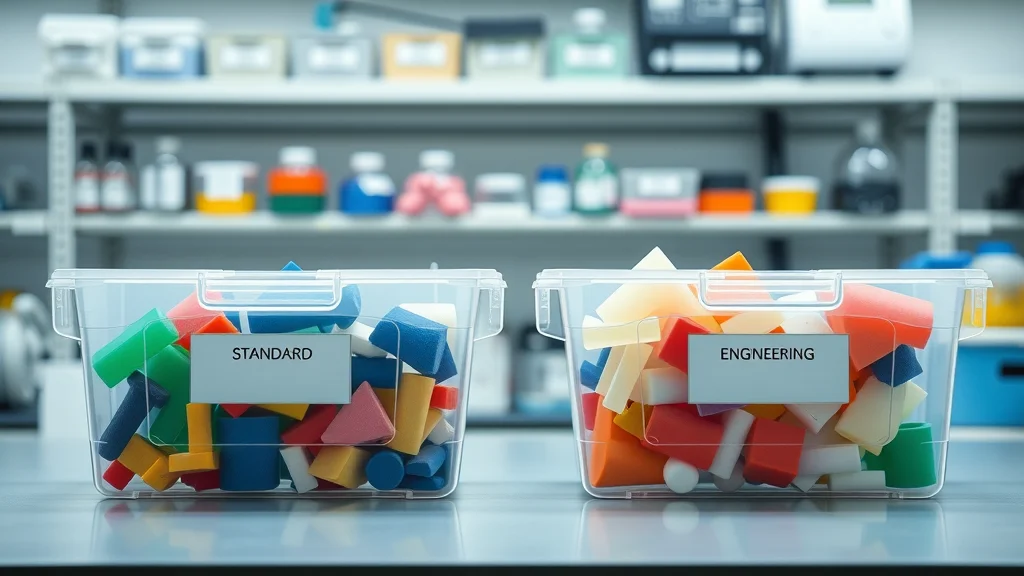
Visual comparison of standard plastics versus engineering plastics highlighting certified plastic quality differences

How ISO Certification Supports Quality Management and Continual Improvement

ISO Certification Aspect Impact on Quality Management Benefit to Manufacturers
Standardized Processes Ensures uniformity in production Reduces defects and variability
Documentation and Record Keeping Enables traceability and accountability Facilitates audits and compliance
Regular Audits and Reviews Promotes continual improvement Enhances product quality over time

Professional conducting ISO certification audit with manufacturing manager showing iso certified plastic suppliers

People Also Ask (FAQs) About ISO Certified Plastic Suppliers

Which company is best for ISO certification?

The best company for ISO certification depends on your industry and location. Generally, accredited certification bodies with a proven track record and recognized credentials provide the most reliable certification services. It’s advisable to select an ISO registrar accredited by international bodies like the International Accreditation Forum (IAF).

How much do ISO consultants charge?

ISO consultant fees vary depending on the scope of the certification, company size, and complexity of processes. Typical charges range from a few thousand dollars to tens of thousands. Investing in experienced consultants often pays off by streamlining implementation and ensuring compliance.

What is the ISO standard for plastic products?

ISO standards relevant to plastic products include ISO 9001 for quality management systems and specialized standards like ISO 1874 and ISO 11469, which specify requirements for plastic raw materials and identification. These ensure manufacturers maintain product quality and safety.

Who gives out ISO certifications?

ISO certifications are issued by accredited third-party certification bodies authorized to assess and verify companies’ compliance with relevant ISO standards. The International Organization for Standardization (ISO) develops standards but does not directly certify companies.

Key Takeaways

  • ISO certified plastic suppliers ensure consistent quality and traceability in materials used for manufacturing.
  • Traceability through lot and batch tracking is vital for maintaining manufacturing reliability and quality control.
  • Working with certified suppliers supports continual improvement, customer satisfaction, and compliance with international standards.
  • Understanding the difference between standard plastics and engineering plastics is crucial for quality assurance in specialized industries.

Conclusion

Prioritize sourcing from ISO certified plastic suppliers with robust traceability to guarantee quality materials that elevate your manufacturing success and product reliability.

For more information visit: https://iplasticsupply.com/ or call: (714) 978-3520

Sources

  • https://www.iso.org/iso-9001-quality-management.html
  • https://iplasticsupply.com/
high density plastic

21 Views

0 Comments

Write A Comment

*
*
Related Posts All Posts
02.20.2026

Unlocking the Future of Products: How Co-Extrusion Transforms Plastic Design

Update Understanding Co-Extrusion: A Game Changer in Plastic ManufacturingPlastic manufacturing has undergone a significant transformation with the advent of co-extrusion, a groundbreaking technique redefining how materials can be combined. Traditionally, manufacturing processes relied on single-material components, but the increasing demand for specialized products has led to the need for more innovative solutions. Co-extrusion enables the simultaneous extrusion of two or more materials through a single die, creating integrated profiles that enhance product durability, aesthetics, and functionality.The Benefits of Co-Extrusion Simplifying ProductionOne of the key advantages of co-extrusion is its ability to streamline manufacturing processes, reducing both production time and costs. Unlike traditional methods that typically require separate manufacturing steps for each material, co-extrusion merges multiple materials into a single step. This simplification not only lessens the potential for errors during assembly but also minimizes labor and operational expenses, making the manufacturing process more efficient.Design Freedom: Pushing the BoundariesWith co-extrusion, engineers and designers can explore far greater design possibilities. By allowing designers to assign specific properties to different layers of material, co-extrusion opens up new avenues for creativity. For instance, a product can feature a rigid inner layer for structural support and a soft outer layer for comfort and grip. Such combinations are vital in creating complex, functional products while preserving the material's individual properties.Enhancing Product Aesthetics with Functional SurfacesCo-extrusion goes beyond mere functionality; it also allows for enhanced aesthetics. The surface layers can be customized for color, texture, and finish without compromising the core material’s integrity. This flexibility is crucial for products that need to appeal visually to consumers while maintaining high performance. Whether it's adding brand colors, improving the tactile feel for consumer products, or creating visually distinct designs, co-extrusion facilitates a tailored approach.Cost Efficiency: Targeting Material UseAnother significant benefit of co-extrusion is its ability to control material costs effectively. By strategically placing high-cost materials only where they are most needed—a thin outer layer, for example—manufacturers can optimize resource use without sacrificing quality. This targeted strategy promotes lower overall material costs and supports scalable production, particularly appealing to small to medium-sized machine shops and businesses looking to maximize profits.Applications Across Diverse IndustriesThe versatility of co-extrusion means it is applicable across various industries. For instance, the construction industry benefits from co-extruded window frames that require both rigidity and weather resistance. Similarly, the healthcare sector utilizes co-extrusion in medical devices, ensuring they possess the necessary properties for both safety and functionality. As this technique continues to evolve, we can expect its applications to expand into new realms, enhancing product innovationConclusion: The Future of Plastic DesignCo-extrusion has proven to be more than just a manufacturing innovation; it is a transformative approach that allows businesses to enhance their product offerings without sacrificing efficiency. For small to medium-sized machine shops, embracing co-extrusion could represent a significant step forward in optimizing production and expanding their design capabilities. If you’re interested in learning how co-extrusion can elevate your products, visit us for more information.

02.15.2026

Navigating Common Large-Part Design Mistakes to Enhance Manufacturing Efficiency

Update Understanding Large-Part Design Mistakes and Their Impact on ManufacturingWhen it comes to manufacturing large parts, various design mistakes can inadvertently complicate the production process. Understanding these pitfalls is crucial for small to medium-sized machine shops aiming to enhance efficiency and reduce costs. As industry insiders emphasize, early collaboration with injection molding specialists can help mitigate complex manufacturing challenges associated with large-component production.The Common Pitfalls of Large-Part DesignDesigning large parts without acknowledging manufacturing limitations can result in inefficiencies that impede production. For instance, failing to account for the physical constraints of injection molding machinery can lead to issues such as material warping or incomplete fills. Tools that are not designed for the size of the job may exert excessive wear and tear, compounding the problems faced on the factory floor.Similarly, applying overly strict tolerances on non-critical features complicates the production process. Inaccurate dimensions often lead to increased manufacturing time and costs, as tighter tolerances necessitate slower cycles, more intricate tooling, and frequent reworks. The result? An uptick in rejected parts and significant delays.Critical Factors in Material SelectionOne of the most significant errors in large-part design is neglecting to choose the right materials. High-scale components demand resins that can withstand thermal stress and extensive operational pressures. A poor choice based on aesthetic or cost considerations can result in catastrophic failures during production or product use. Small to medium-sized shops must prioritize strategic material selection to ensure performance under challenging conditions.Ensuring Uniform Wall ThicknessThe importance of consistent wall thickness in injection molding cannot be overstated. Variations in wall thickness can lead to uneven cooling rates, causing defects that significantly affect part quality. The industry standard suggests keeping variations within +/- 25%. Achieving this consistency is essential to avoid complications that could delay project timelines.The Role of Draft Angles in DesignIgnoring draft angles in large molds can hinder the manufacturing process significantly. Properly designed draft angles reduce stress on molds and enhance part release from the cavity. Neglecting to implement them or setting them too shallow can create unnecessary friction, leading to production delays and costly damage to the components or tooling.Complicated Designs and Their ConsequencesSometimes, designers might complicate the manufacturing process by adding excessive features or utilizing non-standard components. Complicated designs increase the likelihood of manufacturing disparities, culminating in longer production times and higher costs. Streamlined designs that prioritize manufacturability over complex aesthetics yield better results.Future Trends in Large-Part ManufacturingAs the manufacturing industry evolves, integration of smart technology in large-part production is gaining traction. Advanced simulation tools and real-time monitoring systems are poised to enhance efficiency by improving material flow and cooling processes, reducing cycle times, and ensuring consistency in quality. Machine shops willing to embrace these technologies stand to benefit significantly in terms of reduced operational costs and enhanced product quality.ConclusionFor small to medium-sized machine shops, understanding and avoiding large-part design mistakes can greatly improve manufacturing efficiency. Whether it's through better material selection, maintaining wall thickness, or implementing proper draft angles, these considerations directly impact final product quality and manufacturability. For more information on navigating the complexities of large-part manufacturing, visit iPlastic Supply.

02.12.2026

Design for Manufacturability in Injection Molding: Secrets to Cost-Effective Production

Update Understanding Design for Manufacturability in Injection Molding Every small to medium-sized machine shop knows that having precise parts is critical for operational success; however, when those parts fail to translate from screen to production, the issue often lies within the manufacturing process itself. Design for Manufacturability (DFM) in injection molding emerges as a solution, guiding engineers to optimize parts for production while ensuring that quality doesn’t suffer. Unlocking Cost-Effective Manufacturing Strategies The DFM principles help in shaping parts that can be produced efficiently within the constraints of tooling and material properties. For machine shops operating on a budget, streamlining these designs can significantly reduce manufacturing costs. By focusing on optimal wall thickness, geometry, and draft angles, you can minimize defects and enhance production efficiency. Choosing the Right Materials Material selection is paramount in the injection molding process as it not only impacts performance but also cost. Choosing materials like high-density polyethylene or durable acrylic sheets can provide the necessary balance between functionality and affordability. For instance, using lexan polycarbonate sheets or clear acrylic sheets can lead to both robust parts and reduced processing complications. Design Elements That Enhance Efficiency When it comes to mold design, where uniformity is key, ensuring consistent wall thickness can drastically improve material flow and cooling. Implementing features like ribs and bosses adds support without compromising structural integrity, while avoiding undercuts can save time and resources by simplifying the tooling process. The Benefits of Collaboration from Day One Early collaboration between design teams and molding partners can lead to significant advantages. By aligning the design and manufacturing processes from the onset, machine shops can avoid costly reworks and ensure higher quality outputs. This proactive approach can lead to a seamless workflow, enhancing both performance and profitability. For more insights into the world of injection molding and to access a wide array of plastic sheets, from black acrylic sheets to high-density polyethylene plastic, visit iPlastic Supply for all your material needs.

Terms of Service

Privacy Policy

Core Modal Title

Sorry, no results found

You Might Find These Articles Interesting

T
Please Check Your Email
We Will Be Following Up Shortly
*
*
*