
Add Row
Add Element
cropper
update
Industrial Plastic Supply
Powered by Industrial Plastic Supply Media
update
Add Element
  • Home
  • Categories
    • clear plastic sheets
    • plexiglass sheets
    • high density plastic
    • perspex plexiglass
    • polyvinyl chloride pipes
    • poly carbonate
    • lucite sheets
January 21.2026
1 Minute Read

The Importance of Lot and Batch Traceability in Plastic Manufacturing

Did you know that over 50% of manufacturing defects in plastics are linked directly to poor traceability? This startling fact underscores why plastic material traceability is absolutely vital for industries relying on plastic manufacturing

In this comprehensive guide, we unlock the critical role of lot and batch traceability, especially as maintained by ISO certified suppliers. We explore how this system guarantees that the highest standards are met in plastic manufacturing, providing manufacturers with peace of mind and end users with safer, more consistent products.

Startling Facts About Plastic Material Traceability

  • Over 50% of manufacturing defects in plastics are linked to poor traceability.
  • ISO certification significantly reduces supply chain errors in plastic manufacturing.
  • Traceability is a key driver in regulatory compliance and quality assurance.

What You'll Learn in This Guide

  • Definition and significance of plastic material traceability
  • Role of ISO certification in ensuring traceability and quality
  • How traceability impacts supply chain management and regulatory compliance
  • Best practices for implementing traceability in plastic manufacturing
  • Common challenges and solutions in traceability processes
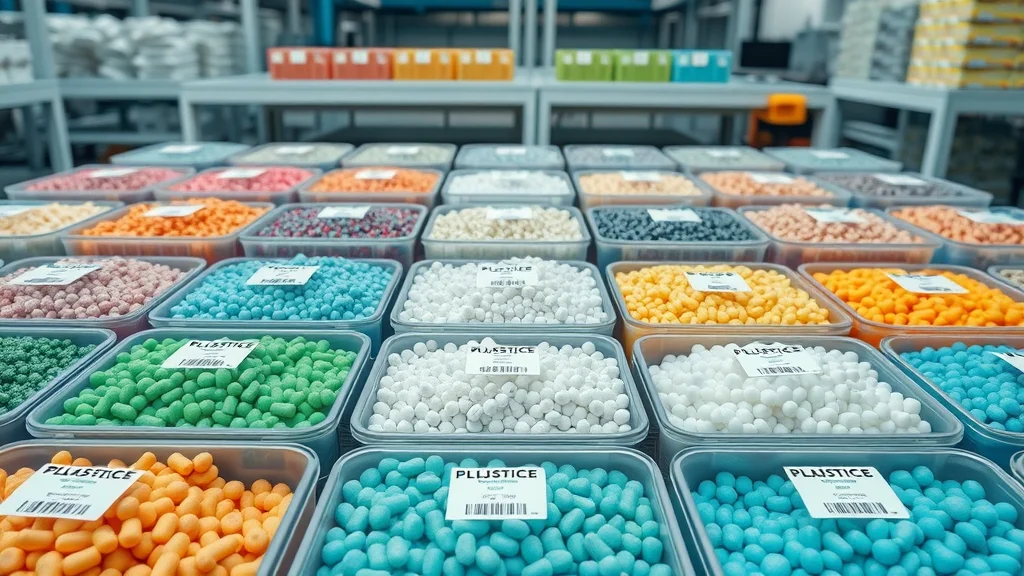
Plastic material traceability shown with modern multi-colored plastic granules and resin pellets in labeled bins in clean manufacturing lab

Understanding Plastic Material Traceability: Definition and Importance

“Making sure that you're getting a quality material from quality manufacturers gives you a quality end product.” – Hayden Hess, of Industrial Plastic Supply

What is Plastic Material Traceability?

Plastic material traceability refers to the documented tracking of plastic raw materials from their origin through every stage of production to the finished product. This tracking occurs at the lot and batch level, enabling manufacturers to trace back to specific batches of plastic material used in production. By maintaining accurate records of material sources, processing steps, and distribution, traceability ensures product consistency, quality, and safety across the entire manufacturing chain.

Traceability is indispensable for sectors where product failure can have severe consequences, such as aerospace, medical devices, and automotive industries. It allows manufacturers to swiftly identify and isolate defective batches, reducing risks and improving accountability throughout the supply chain.

Why Traceability Matters in Plastic Manufacturing

The importance of plastic material traceability in manufacturing cannot be overstated. It acts as a vital quality control mechanism, enabling manufacturers to confirm that materials meet required specifications before reaching production lines. Without such controls, defective or substandard plastics may enter the supply chain, leading to costly recalls or failures in critical applications.

Moreover, traceability underpins regulatory compliance. Many industries require materials to be traceable for audits and certifications, ensuring transparency and adherence to safety standards. It is also foundational in preserving consumer trust since customers rely on manufacturers for safe, reliable products made from quality materials.

Manufacturing engineer performing plastic material traceability inspection on components in modern production line

The Role of ISO Certification in Plastic Material Traceability

What is the ISO Standard for Traceability?

ISO standards establish international benchmarks for quality management and traceability systems. In plastic manufacturing, ISO 9001 certification is the most relevant standard, mandating that suppliers maintain rigorous traceability processes for materials used. This includes proper documentation, batch control, and quality assurance protocols to guarantee that each batch of plastic can be traced back to its origin with full transparency.

With these standards in place, manufacturers are assured that their suppliers operate consistently with best practices, minimizing risks of contamination, substitution, or inconsistency in plastic raw materials.

How ISO Certification Ensures Quality and Compliance

“Being ISO certified means that we do the processing, the paperwork, and ensure traceability from lot to batch.” – Hayden Hess, of Industrial Plastic Supply

ISO certification imposes a disciplined framework for handling materials, emphasizing accuracy and accountability. Certified suppliers must maintain complete records of production lots, conduct periodic audits, and operate with traceability technologies to ensure each batch of plastic material meets stringent quality requirements.

By collaborating with ISO certified suppliers, manufacturers can confidently source plastic materials, knowing they conform to international standards. This reduces supply chain errors, facilitates smoother regulatory inspections, and fosters long-term trust between suppliers and customers.
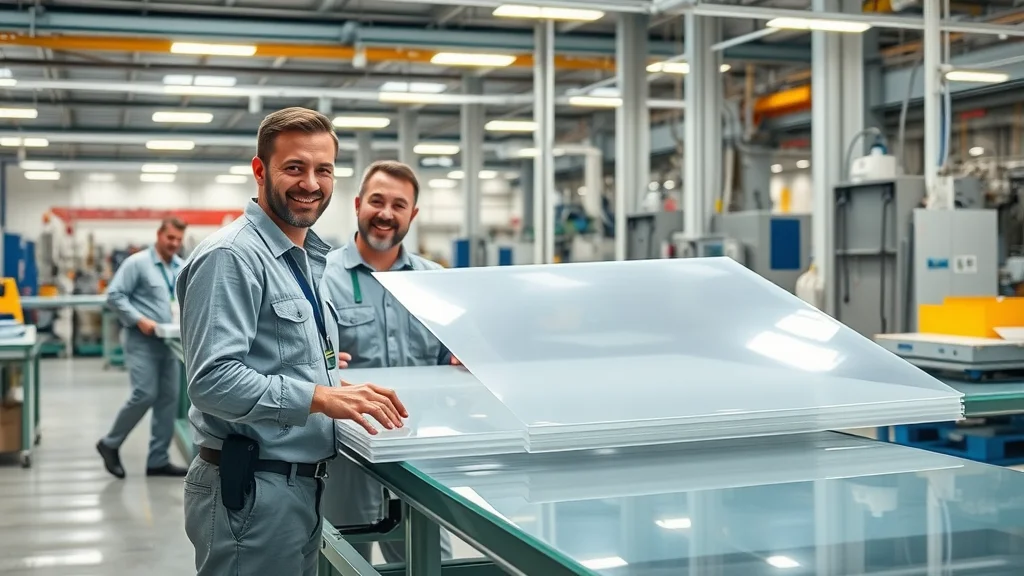
ISO certified plastic manufacturing facility with workers inspecting clear plastic sheets on production table

Traceability and Its Impact on the Plastic Supply Chain

Ensuring Quality Through Lot and Batch Traceability

Incorporating lot and batch traceability within supply chains enables manufacturers to pinpoint precisely when and where materials were produced and distributed. This detailed tracking minimizes the risk of using faulty plastics and allows for targeted quality management interventions.

Lot traceability helps identify potential contamination or defects introduced during production or transportation phases. When issues arise, manufacturers can isolate affected batches rather than halting entire operations, saving time and costs while protecting product integrity.

Traceability’s Role in Regulatory Compliance

Many regulatory bodies require documented traceability for plastic materials used in critical applications. Compliance with these regulations is mandatory to avoid legal consequences and ensure products delivered to market meet safety standards.

Plastic material traceability also provides essential proof during audits or recalls. Comprehensive trace information supports manufacturers’ claims about material origin, processing, and quality controls, helping secure certifications and expand market acceptance.

Supply chain manager using digital dashboard showing plastic material traceability from supplier to product

Certified Recycled Plastic and the Circular Economy

How Certified Recycled Plastic Supports Traceability

Certified recycled plastics have become a cornerstone in sustainable manufacturing. These plastics come with documented origins and processing histories that assure users of their recycled content while maintaining quality. Traceability is critical here, enabling manufacturers to verify that recycled materials meet regulatory and product standards necessary for integration into new plastic components.

By ensuring recycled batches are fully traceable, manufacturers can confidently claim sustainability credentials and participate effectively in circular economy initiatives that aim to reduce plastic waste and environmental impact.

Integrating Traceability into the Plastics Economy

Integrating plastic material traceability across the plastics value chain supports end-to-end transparency, from raw material suppliers through manufacturing and recycling processes. This holistic approach helps tackle plastic waste management challenges by tracking materials throughout their lifecycle and encouraging reuse and recycling innovations.

Through traceability, stakeholders in the plastics economy — including processors, recyclers, brands, and regulators — can collaborate better to ensure materials meet quality and environmental targets, accelerating the shift towards a more sustainable plastics future.

Certified recycled plastic sorting in futuristic eco-friendly recycling plant with robotic arms

Best Practices for Implementing Plastic Material Traceability

  1. Partner with ISO certified suppliers to guarantee quality and provenance of plastic materials.
  2. Maintain detailed lot and batch records throughout the entire supply chain to simplify tracking and auditing.
  3. Utilize digital traceability technologies such as barcoding, RFID, and blockchain for real-time monitoring.
  4. Train staff extensively on traceability importance and proper handling procedures to ensure compliance.
  5. Regularly audit traceability processes to detect gaps, ensure documentation accuracy, and maintain certification standards.

Team training session on plastic material traceability workflow in modern manufacturing company

Common Challenges and Misconceptions About Plastic Material Traceability

  • Misunderstanding the difference between standard plastics and engineering plastics, leading to traceability oversights.
  • Assuming traceability is only necessary for recycled plastics, ignoring virgin plastics' quality control needs.
  • Overlooking the importance of sourcing from trusted, certified manufacturers to ensure consistency.
  • Underestimating the critical role of paperwork and documentation in building a robust traceability system.

People Also Ask (FAQs) About Plastic Material Traceability

What is material traceability?

Material traceability is the process of tracking raw materials and components through every stage of manufacturing and distribution. It ensures that every batch of plastic used can be traced to its precise origin, facilitating quality control and issue resolution.

What is the ISO standard for traceability?

The ISO 9001 standard sets requirements for quality management systems, including traceability measures that ensure suppliers document materials’ origins and keep track of production batches to maintain quality and compliance.

How to tell if plastic is PE or PP?

Polyethylene (PE) and polypropylene (PP) can be differentiated by their resin identification codes, physical properties, or via specialized testing methods such as spectroscopy. Suppliers should provide batch documentation clarifying polymer types as part of traceability.

Does ISO 9001 require material traceability?

Yes, ISO 9001 requires organizations to implement traceability procedures to document and control materials used in production, helping guarantee consistent quality and regulatory compliance.

Key Takeaways on Plastic Material Traceability

  • Traceability is essential for ensuring quality and reliability in plastic manufacturing.
  • ISO certification plays a critical role in maintaining traceability standards.
  • Lot and batch traceability supports regulatory compliance and supply chain transparency.
  • Partnering with certified suppliers guarantees consistent material quality.
  • Implementing best practices in traceability enhances product safety and consumer trust.

Quality and Traceability Metrics Comparison

Metric Without Traceability With ISO Certified Traceability
Manufacturing Defects High (over 50%) Significantly Reduced
Supply Chain Errors Frequent Minimal
Regulatory Compliance Challenging Consistent
Batch Recall Efficiency Low High
Customer Trust Variable Strong

Conclusion: Why Plastic Material Traceability Cannot Be Overlooked

To achieve superior product quality, maintain compliance, and build lasting trust, manufacturers must prioritize lot and batch traceability with ISO certified suppliers in their plastic material sourcing and production processes.

For more information visit: https://iplasticsupply.com/ or call: (714) 978-3520

Sources

  • Industrial Plastic Supply Official Website
  • ISO 9001 Quality Management Standard
  • Plastics Today - Supply Chain & Traceability Insights
high density plastic

19 Views

0 Comments

Write A Comment

*
*
Related Posts All Posts
02.20.2026

Unlocking the Future of Products: How Co-Extrusion Transforms Plastic Design

Update Understanding Co-Extrusion: A Game Changer in Plastic ManufacturingPlastic manufacturing has undergone a significant transformation with the advent of co-extrusion, a groundbreaking technique redefining how materials can be combined. Traditionally, manufacturing processes relied on single-material components, but the increasing demand for specialized products has led to the need for more innovative solutions. Co-extrusion enables the simultaneous extrusion of two or more materials through a single die, creating integrated profiles that enhance product durability, aesthetics, and functionality.The Benefits of Co-Extrusion Simplifying ProductionOne of the key advantages of co-extrusion is its ability to streamline manufacturing processes, reducing both production time and costs. Unlike traditional methods that typically require separate manufacturing steps for each material, co-extrusion merges multiple materials into a single step. This simplification not only lessens the potential for errors during assembly but also minimizes labor and operational expenses, making the manufacturing process more efficient.Design Freedom: Pushing the BoundariesWith co-extrusion, engineers and designers can explore far greater design possibilities. By allowing designers to assign specific properties to different layers of material, co-extrusion opens up new avenues for creativity. For instance, a product can feature a rigid inner layer for structural support and a soft outer layer for comfort and grip. Such combinations are vital in creating complex, functional products while preserving the material's individual properties.Enhancing Product Aesthetics with Functional SurfacesCo-extrusion goes beyond mere functionality; it also allows for enhanced aesthetics. The surface layers can be customized for color, texture, and finish without compromising the core material’s integrity. This flexibility is crucial for products that need to appeal visually to consumers while maintaining high performance. Whether it's adding brand colors, improving the tactile feel for consumer products, or creating visually distinct designs, co-extrusion facilitates a tailored approach.Cost Efficiency: Targeting Material UseAnother significant benefit of co-extrusion is its ability to control material costs effectively. By strategically placing high-cost materials only where they are most needed—a thin outer layer, for example—manufacturers can optimize resource use without sacrificing quality. This targeted strategy promotes lower overall material costs and supports scalable production, particularly appealing to small to medium-sized machine shops and businesses looking to maximize profits.Applications Across Diverse IndustriesThe versatility of co-extrusion means it is applicable across various industries. For instance, the construction industry benefits from co-extruded window frames that require both rigidity and weather resistance. Similarly, the healthcare sector utilizes co-extrusion in medical devices, ensuring they possess the necessary properties for both safety and functionality. As this technique continues to evolve, we can expect its applications to expand into new realms, enhancing product innovationConclusion: The Future of Plastic DesignCo-extrusion has proven to be more than just a manufacturing innovation; it is a transformative approach that allows businesses to enhance their product offerings without sacrificing efficiency. For small to medium-sized machine shops, embracing co-extrusion could represent a significant step forward in optimizing production and expanding their design capabilities. If you’re interested in learning how co-extrusion can elevate your products, visit us for more information.

02.15.2026

Navigating Common Large-Part Design Mistakes to Enhance Manufacturing Efficiency

Update Understanding Large-Part Design Mistakes and Their Impact on ManufacturingWhen it comes to manufacturing large parts, various design mistakes can inadvertently complicate the production process. Understanding these pitfalls is crucial for small to medium-sized machine shops aiming to enhance efficiency and reduce costs. As industry insiders emphasize, early collaboration with injection molding specialists can help mitigate complex manufacturing challenges associated with large-component production.The Common Pitfalls of Large-Part DesignDesigning large parts without acknowledging manufacturing limitations can result in inefficiencies that impede production. For instance, failing to account for the physical constraints of injection molding machinery can lead to issues such as material warping or incomplete fills. Tools that are not designed for the size of the job may exert excessive wear and tear, compounding the problems faced on the factory floor.Similarly, applying overly strict tolerances on non-critical features complicates the production process. Inaccurate dimensions often lead to increased manufacturing time and costs, as tighter tolerances necessitate slower cycles, more intricate tooling, and frequent reworks. The result? An uptick in rejected parts and significant delays.Critical Factors in Material SelectionOne of the most significant errors in large-part design is neglecting to choose the right materials. High-scale components demand resins that can withstand thermal stress and extensive operational pressures. A poor choice based on aesthetic or cost considerations can result in catastrophic failures during production or product use. Small to medium-sized shops must prioritize strategic material selection to ensure performance under challenging conditions.Ensuring Uniform Wall ThicknessThe importance of consistent wall thickness in injection molding cannot be overstated. Variations in wall thickness can lead to uneven cooling rates, causing defects that significantly affect part quality. The industry standard suggests keeping variations within +/- 25%. Achieving this consistency is essential to avoid complications that could delay project timelines.The Role of Draft Angles in DesignIgnoring draft angles in large molds can hinder the manufacturing process significantly. Properly designed draft angles reduce stress on molds and enhance part release from the cavity. Neglecting to implement them or setting them too shallow can create unnecessary friction, leading to production delays and costly damage to the components or tooling.Complicated Designs and Their ConsequencesSometimes, designers might complicate the manufacturing process by adding excessive features or utilizing non-standard components. Complicated designs increase the likelihood of manufacturing disparities, culminating in longer production times and higher costs. Streamlined designs that prioritize manufacturability over complex aesthetics yield better results.Future Trends in Large-Part ManufacturingAs the manufacturing industry evolves, integration of smart technology in large-part production is gaining traction. Advanced simulation tools and real-time monitoring systems are poised to enhance efficiency by improving material flow and cooling processes, reducing cycle times, and ensuring consistency in quality. Machine shops willing to embrace these technologies stand to benefit significantly in terms of reduced operational costs and enhanced product quality.ConclusionFor small to medium-sized machine shops, understanding and avoiding large-part design mistakes can greatly improve manufacturing efficiency. Whether it's through better material selection, maintaining wall thickness, or implementing proper draft angles, these considerations directly impact final product quality and manufacturability. For more information on navigating the complexities of large-part manufacturing, visit iPlastic Supply.

02.12.2026

Design for Manufacturability in Injection Molding: Secrets to Cost-Effective Production

Update Understanding Design for Manufacturability in Injection Molding Every small to medium-sized machine shop knows that having precise parts is critical for operational success; however, when those parts fail to translate from screen to production, the issue often lies within the manufacturing process itself. Design for Manufacturability (DFM) in injection molding emerges as a solution, guiding engineers to optimize parts for production while ensuring that quality doesn’t suffer. Unlocking Cost-Effective Manufacturing Strategies The DFM principles help in shaping parts that can be produced efficiently within the constraints of tooling and material properties. For machine shops operating on a budget, streamlining these designs can significantly reduce manufacturing costs. By focusing on optimal wall thickness, geometry, and draft angles, you can minimize defects and enhance production efficiency. Choosing the Right Materials Material selection is paramount in the injection molding process as it not only impacts performance but also cost. Choosing materials like high-density polyethylene or durable acrylic sheets can provide the necessary balance between functionality and affordability. For instance, using lexan polycarbonate sheets or clear acrylic sheets can lead to both robust parts and reduced processing complications. Design Elements That Enhance Efficiency When it comes to mold design, where uniformity is key, ensuring consistent wall thickness can drastically improve material flow and cooling. Implementing features like ribs and bosses adds support without compromising structural integrity, while avoiding undercuts can save time and resources by simplifying the tooling process. The Benefits of Collaboration from Day One Early collaboration between design teams and molding partners can lead to significant advantages. By aligning the design and manufacturing processes from the onset, machine shops can avoid costly reworks and ensure higher quality outputs. This proactive approach can lead to a seamless workflow, enhancing both performance and profitability. For more insights into the world of injection molding and to access a wide array of plastic sheets, from black acrylic sheets to high-density polyethylene plastic, visit iPlastic Supply for all your material needs.

Terms of Service

Privacy Policy

Core Modal Title

Sorry, no results found

You Might Find These Articles Interesting

T
Please Check Your Email
We Will Be Following Up Shortly
*
*
*