
Add Row
Add Element
cropper
update
Industrial Plastic Supply
Powered by Industrial Plastic Supply Media
update
Add Element
  • Home
  • Categories
    • clear plastic sheets
    • plexiglass sheets
    • high density plastic
    • perspex plexiglass
    • polyvinyl chloride pipes
    • poly carbonate
    • lucite sheets
January 21.2026
1 Minute Read

Maximizing Industrial Efficiency with American Made Performance Plastic Sheets

Did you know that American made performance plastic sheets can outlast many metals and standard plastics in industrial applications? This surprising fact highlights why selecting the right performance plastics, especially those manufactured in North America, is vital for industries aiming to boost efficiency and ensure durability

Startling Facts About American Made Performance Plastic Sheets

American made performance plastic sheets distinguish themselves with remarkable durability and reliability compared to conventional plastics. Unlike the typical plastic products people are accustomed to—such as disposable water bottles or containers—these plastic sheets are engineered for longevity and high-performance applications.

As Aiden of Industrial Plastic Supply explains, "People think of plastics as water bottles and jugs, whereas engineering and performance plastics are durable, long lasting, and generally can outlast most other materials including metal." This eye-opening distinction perfectly captures the critical advantage of choosing high-grade performance plastics from American sources for industrial use.
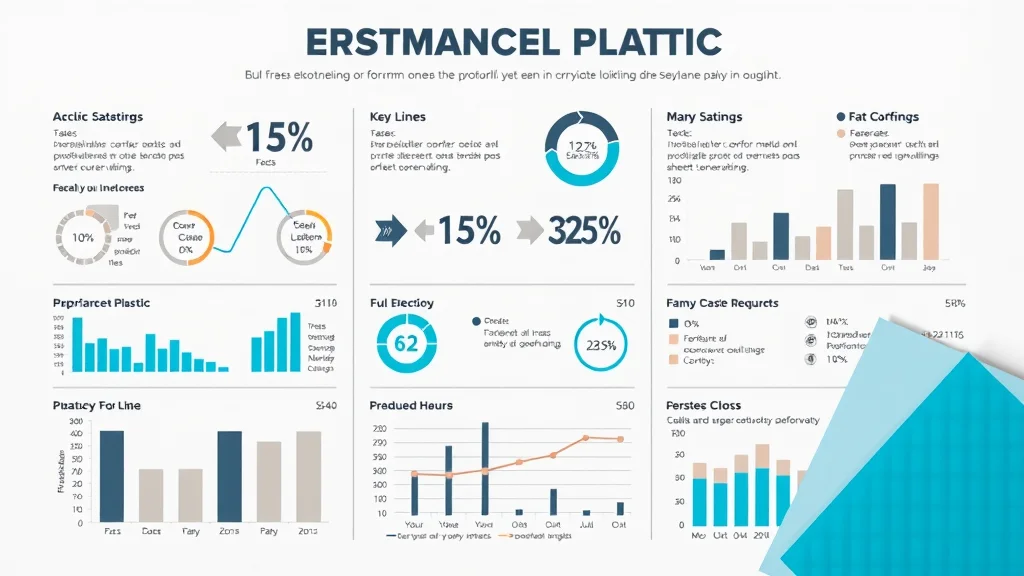
Infographic showing key facts about american made performance plastic sheets, with charts and plastic sample visuals

Understanding the Distinction Between Performance Plastics and Standard Plastics

Performance plastics are specialized materials engineered to withstand extreme conditions such as high abrasion, chemical exposure, and mechanical stress. These properties empower industries like aerospace, manufacturing, and heavy equipment production to rely on them over ordinary plastics, which tend to degrade faster under similar conditions.

Standard plastics typically consist of low-density polymers designed for single-use or light applications. In contrast, american made performance plastic sheets undergo rigorous quality control processes, enabling superior resistance, surface protection, and longevity. This makes them indispensable for projects where material failure is not an option.

Aiden, of Industrial Plastic Supply, explains, "People think of plastics as water bottles and jugs, whereas engineering and performance plastics are durable, long lasting, and generally can outlast most other materials including metal."

Why Choose American Made Performance Plastic Sheets for Industrial Applications?

Benefits of Sourcing from North American Manufacturers

Sourcing performance plastic sheets from North American manufacturers guarantees not only premium material quality but also stringent adherence to regulatory and quality standards. Domestic manufacturing facilities maintain closer oversight, enabling quicker response times and stronger traceability compared to overseas suppliers.

As Aiden expertly states, "Choosing the proper material and where it is originally manufactured is critical. We only provide materials and performance plastic materials from North American sources." This commitment ensures consistent product quality and supports the local industrial ecosystem, crucial for sectors including aerospace and automotive manufacturing.
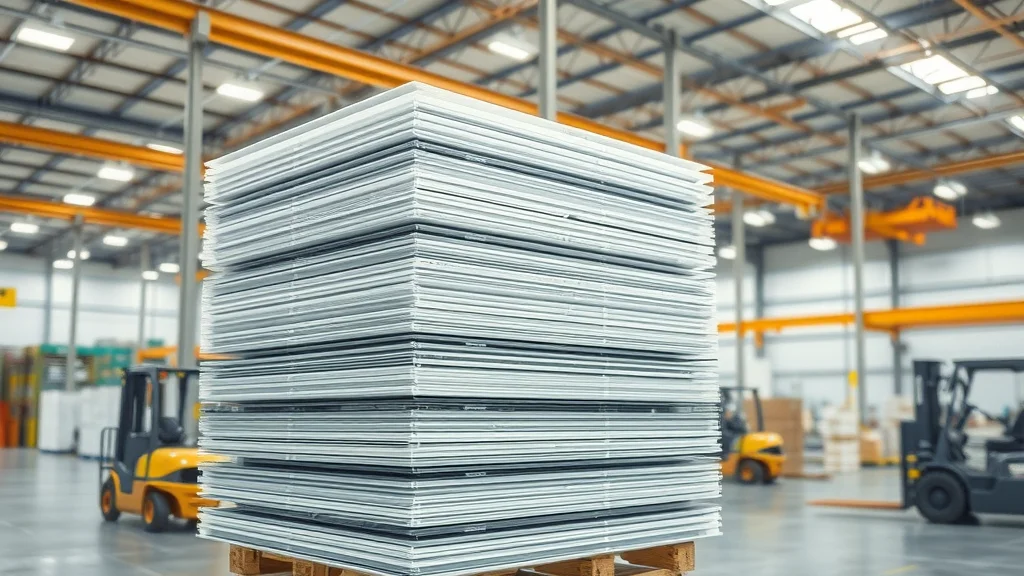
Stacked american made performance plastic sheets in a clean, organized North American manufacturing warehouse

Key Features and Performance Benefits of American Made Performance Plastic Sheets

Durability, Longevity, and Industrial Efficiency

Durability remains a cornerstone of american made performance plastic sheets. These sheets are engineered to resist impacts, abrasions, and environmental wear far better than standard plastic materials, contributing to long-term savings through reduced replacement frequency.

Industries utilizing these sheets experience increased industrial efficiency by minimizing downtime caused by material failure. Their strength-to-weight ratio often outperforms metals while simplifying equipment maintenance and improving operational speed.
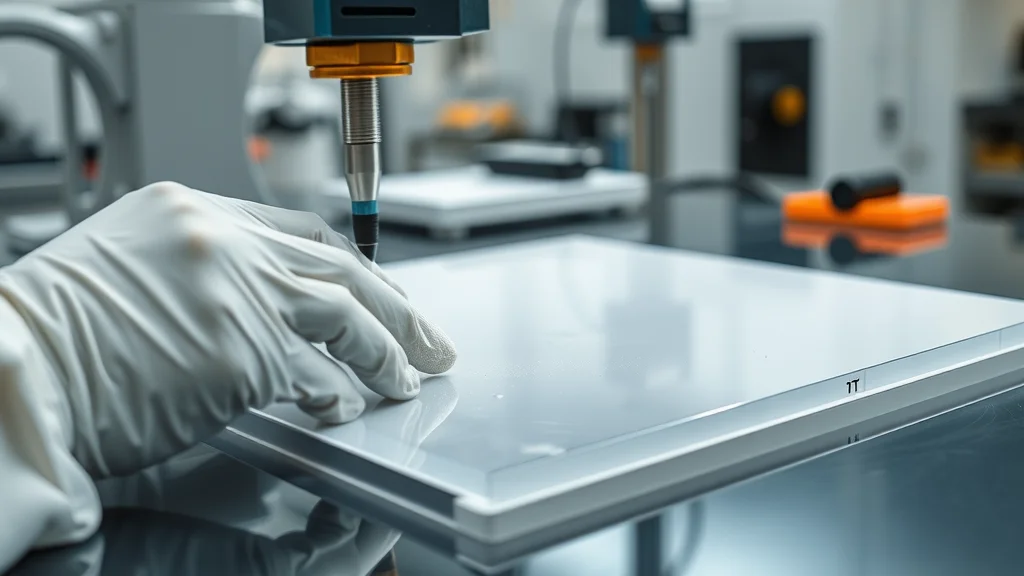
Close-up of american made performance plastic sheet undergoing abrasion tests in a controlled lab environment

Surface Protection and Resistance Properties

Surface integrity is critical in industrial environments exposed to harsh chemicals, UV radiation, and physical abrasion. American made performance plastics offer enhanced chemical resistance and surface protection, maintaining performance without warping, cracking, or fading over extended use.

This resistance prolongs equipment life and protects sensitive components, positioning these sheets as vital for manufacturers seeking sustainable and reliable material solutions. Their robust characteristics also make them ideal for aerospace and defense applications where failure is not an option.

Ensuring Quality and Traceability with ISO Certified Plastic Suppliers

The Importance of ISO Certification in Plastic Supply

ISO certification reflects a supplier's commitment to quality management and regulatory compliance, particularly essential when sourcing american made performance plastic sheets. Certified suppliers maintain thorough documentation, standardized processes, and continuous improvement protocols that guarantee the integrity of the supplied materials.

Aiden highlights, "It's critical to buy from a material supplier that knows what they're doing and provides quality materials. Being ISO certified means we do the processing, the paperwork, and ensure traceability." This professionalism underpins customer confidence and supports rigorous industrial standards.

Quality assurance team inspecting american made performance plastic sheets with documentation in an ISO-certified facility

How Lot and Batch Traceability Enhances Manufacturing Reliability

Accurate lot and batch traceability enables manufacturers to track plastic sheets from production to end-use, ensuring that every piece meets specified standards. This traceability supports quality audits, failure analysis, and regulatory compliance—elements that are indispensable in safety-critical industries.

As Aiden states, "Many of our clients rely on our materials being American made, and that we can give them lot and batch traceability right back to the manufacturer. This ensures they're getting the quality material."
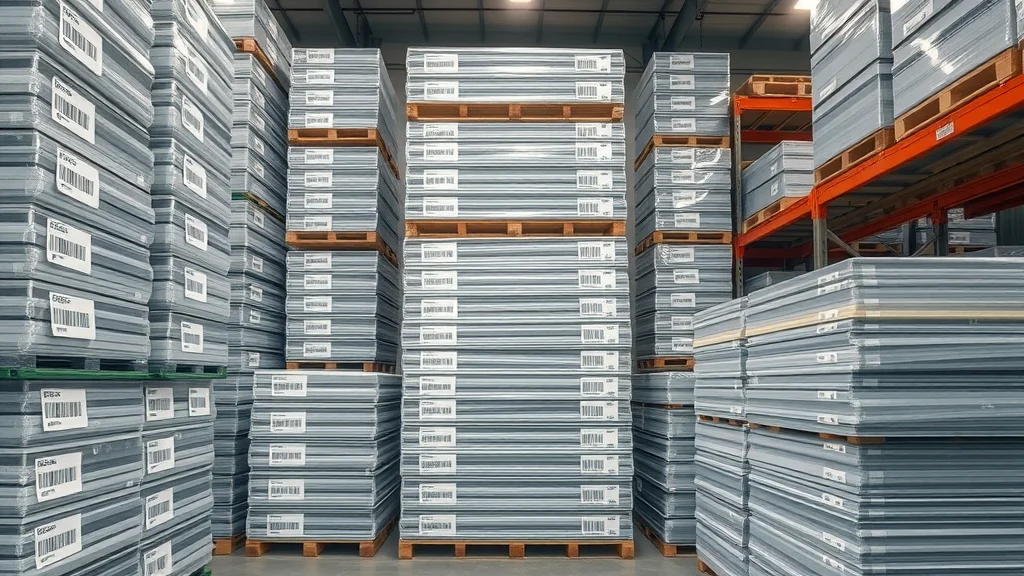
Organized storage of american made performance plastic sheets with barcoded lot and batch labels in a modern warehouse

Comparing American Made Performance Plastic Sheets to Other Plastic Materials

Advantages Over Imported and Non-Performance Plastics

American made performance plastic sheets consistently surpass imported plastic materials by adhering to superior quality controls and benefiting from proximity, which reduces shipping times and risks. Many imported plastics do not offer the durability or traceability essential for critical industrial operations.

Additionally, domestic suppliers provide easier technical support and quicker resolution times, which are paramount when manufacturing timelines are tight and precision is critical. The local origin enhances supply chain security, minimizing disruptions.

Cost-Effectiveness and Long-Term Value in Industrial Use

While initial costs for American made performance plastic sheets might be higher than some foreign alternatives, their long-term value far exceeds cheaper options. Their durability and longevity reduce replacement and maintenance costs.

Industries conducting cost-benefit analyses will find that investing in high-quality American manufactured plastics improves operational efficiency and uptime, resulting in significant savings and higher product reliability.

What You'll Learn: Key Takeaways on American Made Performance Plastic Sheets

  • Understanding the superior durability and performance of American made performance plastic sheets
  • The critical role of sourcing from trusted North American manufacturers
  • How ISO certification and traceability ensure consistent quality
  • Benefits of performance plastics in maximizing industrial efficiency
  • Comparative advantages over standard plastics and imported materials

Frequently Asked Questions About American Made Performance Plastic Sheets

  • What makes American made performance plastic sheets different from standard plastics?
    They are engineered to withstand demanding industrial conditions, offering greater durability and longevity.
  • Why is ISO certification important when purchasing plastic materials?
    ISO certification guarantees quality management, regulatory compliance, and traceability in the supply process.
  • How does traceability impact the quality of plastic sheets?
    Lot and batch traceability enable quality assurance, support audits, and provide transparency from manufacture to usage.
  • What industries benefit most from using American made performance plastic sheets?
    Aerospace, automotive, manufacturing, and defense sectors particularly benefit due to strict performance requirements.
  • Are American made performance plastic sheets cost-effective compared to alternatives?
    Yes, their longevity and resistance reduce long-term costs despite higher upfront investment.

Conclusion: Invest in Quality with American Made Performance Plastic Sheets

Final Thoughts on Maximizing Industrial Efficiency

Aiden concludes, "Making sure you're getting quality material from quality manufacturers gives you a quality end product. Quality in, quality out."

To maximize industrial efficiency and ensure reliable performance, investing in American made performance plastic sheets is a decisive step towards sustainable manufacturing success.

For More Information

  • Visit: https://iplasticsupply.com/
  • Call: (714) 978-3520

Sources

  • Industrial Plastic Supply Official Website
high density plastic

16 Views

0 Comments

Write A Comment

*
*
Related Posts All Posts
02.20.2026

Unlocking the Future of Products: How Co-Extrusion Transforms Plastic Design

Update Understanding Co-Extrusion: A Game Changer in Plastic ManufacturingPlastic manufacturing has undergone a significant transformation with the advent of co-extrusion, a groundbreaking technique redefining how materials can be combined. Traditionally, manufacturing processes relied on single-material components, but the increasing demand for specialized products has led to the need for more innovative solutions. Co-extrusion enables the simultaneous extrusion of two or more materials through a single die, creating integrated profiles that enhance product durability, aesthetics, and functionality.The Benefits of Co-Extrusion Simplifying ProductionOne of the key advantages of co-extrusion is its ability to streamline manufacturing processes, reducing both production time and costs. Unlike traditional methods that typically require separate manufacturing steps for each material, co-extrusion merges multiple materials into a single step. This simplification not only lessens the potential for errors during assembly but also minimizes labor and operational expenses, making the manufacturing process more efficient.Design Freedom: Pushing the BoundariesWith co-extrusion, engineers and designers can explore far greater design possibilities. By allowing designers to assign specific properties to different layers of material, co-extrusion opens up new avenues for creativity. For instance, a product can feature a rigid inner layer for structural support and a soft outer layer for comfort and grip. Such combinations are vital in creating complex, functional products while preserving the material's individual properties.Enhancing Product Aesthetics with Functional SurfacesCo-extrusion goes beyond mere functionality; it also allows for enhanced aesthetics. The surface layers can be customized for color, texture, and finish without compromising the core material’s integrity. This flexibility is crucial for products that need to appeal visually to consumers while maintaining high performance. Whether it's adding brand colors, improving the tactile feel for consumer products, or creating visually distinct designs, co-extrusion facilitates a tailored approach.Cost Efficiency: Targeting Material UseAnother significant benefit of co-extrusion is its ability to control material costs effectively. By strategically placing high-cost materials only where they are most needed—a thin outer layer, for example—manufacturers can optimize resource use without sacrificing quality. This targeted strategy promotes lower overall material costs and supports scalable production, particularly appealing to small to medium-sized machine shops and businesses looking to maximize profits.Applications Across Diverse IndustriesThe versatility of co-extrusion means it is applicable across various industries. For instance, the construction industry benefits from co-extruded window frames that require both rigidity and weather resistance. Similarly, the healthcare sector utilizes co-extrusion in medical devices, ensuring they possess the necessary properties for both safety and functionality. As this technique continues to evolve, we can expect its applications to expand into new realms, enhancing product innovationConclusion: The Future of Plastic DesignCo-extrusion has proven to be more than just a manufacturing innovation; it is a transformative approach that allows businesses to enhance their product offerings without sacrificing efficiency. For small to medium-sized machine shops, embracing co-extrusion could represent a significant step forward in optimizing production and expanding their design capabilities. If you’re interested in learning how co-extrusion can elevate your products, visit us for more information.

02.15.2026

Navigating Common Large-Part Design Mistakes to Enhance Manufacturing Efficiency

Update Understanding Large-Part Design Mistakes and Their Impact on ManufacturingWhen it comes to manufacturing large parts, various design mistakes can inadvertently complicate the production process. Understanding these pitfalls is crucial for small to medium-sized machine shops aiming to enhance efficiency and reduce costs. As industry insiders emphasize, early collaboration with injection molding specialists can help mitigate complex manufacturing challenges associated with large-component production.The Common Pitfalls of Large-Part DesignDesigning large parts without acknowledging manufacturing limitations can result in inefficiencies that impede production. For instance, failing to account for the physical constraints of injection molding machinery can lead to issues such as material warping or incomplete fills. Tools that are not designed for the size of the job may exert excessive wear and tear, compounding the problems faced on the factory floor.Similarly, applying overly strict tolerances on non-critical features complicates the production process. Inaccurate dimensions often lead to increased manufacturing time and costs, as tighter tolerances necessitate slower cycles, more intricate tooling, and frequent reworks. The result? An uptick in rejected parts and significant delays.Critical Factors in Material SelectionOne of the most significant errors in large-part design is neglecting to choose the right materials. High-scale components demand resins that can withstand thermal stress and extensive operational pressures. A poor choice based on aesthetic or cost considerations can result in catastrophic failures during production or product use. Small to medium-sized shops must prioritize strategic material selection to ensure performance under challenging conditions.Ensuring Uniform Wall ThicknessThe importance of consistent wall thickness in injection molding cannot be overstated. Variations in wall thickness can lead to uneven cooling rates, causing defects that significantly affect part quality. The industry standard suggests keeping variations within +/- 25%. Achieving this consistency is essential to avoid complications that could delay project timelines.The Role of Draft Angles in DesignIgnoring draft angles in large molds can hinder the manufacturing process significantly. Properly designed draft angles reduce stress on molds and enhance part release from the cavity. Neglecting to implement them or setting them too shallow can create unnecessary friction, leading to production delays and costly damage to the components or tooling.Complicated Designs and Their ConsequencesSometimes, designers might complicate the manufacturing process by adding excessive features or utilizing non-standard components. Complicated designs increase the likelihood of manufacturing disparities, culminating in longer production times and higher costs. Streamlined designs that prioritize manufacturability over complex aesthetics yield better results.Future Trends in Large-Part ManufacturingAs the manufacturing industry evolves, integration of smart technology in large-part production is gaining traction. Advanced simulation tools and real-time monitoring systems are poised to enhance efficiency by improving material flow and cooling processes, reducing cycle times, and ensuring consistency in quality. Machine shops willing to embrace these technologies stand to benefit significantly in terms of reduced operational costs and enhanced product quality.ConclusionFor small to medium-sized machine shops, understanding and avoiding large-part design mistakes can greatly improve manufacturing efficiency. Whether it's through better material selection, maintaining wall thickness, or implementing proper draft angles, these considerations directly impact final product quality and manufacturability. For more information on navigating the complexities of large-part manufacturing, visit iPlastic Supply.

02.12.2026

Design for Manufacturability in Injection Molding: Secrets to Cost-Effective Production

Update Understanding Design for Manufacturability in Injection Molding Every small to medium-sized machine shop knows that having precise parts is critical for operational success; however, when those parts fail to translate from screen to production, the issue often lies within the manufacturing process itself. Design for Manufacturability (DFM) in injection molding emerges as a solution, guiding engineers to optimize parts for production while ensuring that quality doesn’t suffer. Unlocking Cost-Effective Manufacturing Strategies The DFM principles help in shaping parts that can be produced efficiently within the constraints of tooling and material properties. For machine shops operating on a budget, streamlining these designs can significantly reduce manufacturing costs. By focusing on optimal wall thickness, geometry, and draft angles, you can minimize defects and enhance production efficiency. Choosing the Right Materials Material selection is paramount in the injection molding process as it not only impacts performance but also cost. Choosing materials like high-density polyethylene or durable acrylic sheets can provide the necessary balance between functionality and affordability. For instance, using lexan polycarbonate sheets or clear acrylic sheets can lead to both robust parts and reduced processing complications. Design Elements That Enhance Efficiency When it comes to mold design, where uniformity is key, ensuring consistent wall thickness can drastically improve material flow and cooling. Implementing features like ribs and bosses adds support without compromising structural integrity, while avoiding undercuts can save time and resources by simplifying the tooling process. The Benefits of Collaboration from Day One Early collaboration between design teams and molding partners can lead to significant advantages. By aligning the design and manufacturing processes from the onset, machine shops can avoid costly reworks and ensure higher quality outputs. This proactive approach can lead to a seamless workflow, enhancing both performance and profitability. For more insights into the world of injection molding and to access a wide array of plastic sheets, from black acrylic sheets to high-density polyethylene plastic, visit iPlastic Supply for all your material needs.

Terms of Service

Privacy Policy

Core Modal Title

Sorry, no results found

You Might Find These Articles Interesting

T
Please Check Your Email
We Will Be Following Up Shortly
*
*
*