

Add Row
Add Element
cropper
update
Industrial Plastic Supply
Powered by Industrial Plastic Supply Media
update
Add Element
  • Home
  • Categories
    • clear plastic sheets
    • plexiglass sheets
    • high density plastic
    • perspex plexiglass
    • polyvinyl chloride pipes
    • poly carbonate
    • lucite sheets
January 14.2026
1 Minute Read

Industry Expert Insights: Why American Made Performance Plastics Matter

Did you know that American made performance plastics often outperform metals in durability and longevity, especially in critical industries like aerospace? What many don’t realize is that not all plastics are created equal

Startling Facts About American Made Performance Plastics

The misconception around plastics is widespread. When people hear "plastic," they often think about simple items like water bottles or food containers. However, American made performance plastics represent a specialized category engineered to meet rigorous standards for durability and high performance. These materials can endure extreme conditions, often lasting longer and outperforming many metals commonly used in aerospace and industrial sectors.

According to Aiden, of Industrial Plastic Supply, "People think of plastics as water bottles and jugs, whereas engineering and performance plastics are durable, long lasting, and generally can outlast most other materials including metal." This highlights a significant knowledge gap but emphasizes why many industries now depend on these high-grade plastics for critical applications.
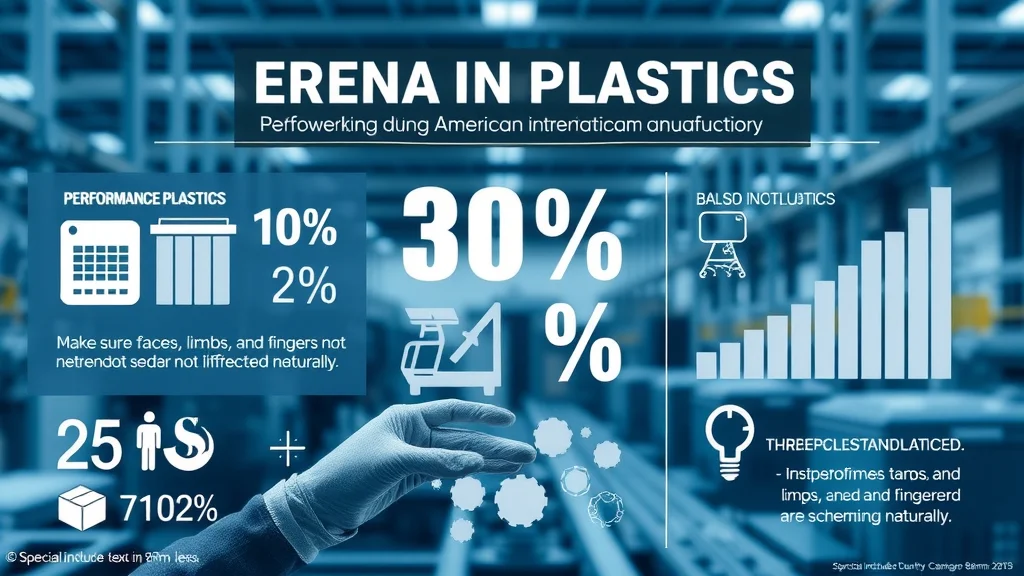
Infographic showing key statistics and benefits of American made performance plastics

Understanding the Difference Between Standard Plastics and Performance Plastics

Standard plastics are mass-produced materials intended for everyday use. They lack the chemical resistance, mechanical strength, and longevity required for demanding settings. In contrast, performance plastics are engineered with precise formulations to excel under stress, high temperatures, and wear. Their ability to maintain structural integrity makes them indispensable in industries like aerospace, medical devices, and heavy manufacturing.

Choosing American made performance plastics means selecting products crafted under stringent regulatory controls and quality assurance programs. This distinction assures end-users of the material's capabilities to withstand the extraordinary demands of their applications.

Aiden, of Industrial Plastic Supply, explains, "People think of plastics as water bottles and jugs, whereas engineering and performance plastics are durable, long lasting, and generally can outlast most other materials including metal."

Why Choosing American Made Performance Plastics is Critical for Aerospace and Other Industries

The Importance of Material Performance and Reliability in Aerospace Applications

In aerospace, material performance isn’t just important; it’s critical. Every component must comply with exacting standards to ensure safety and functionality under extreme conditions. Choosing American made performance plastics means selecting materials that consistently meet and exceed these stringent requirements.

Aiden"It's critical that when material is used in an aerospace application, that it can perform to the requirements needed for that application." This underscores the direct impact material choice has on the reliability and longevity of aerospace components, where failures can have catastrophic consequences.

Engineers working with American made performance plastics aerospace components on high-tech manufacturing floor

Benefits of Sourcing from North American Manufacturers

Quality Assurance and Consistency

Sourcing American made performance plastics ensures that manufacturers adhere to stringent quality control measures throughout production. North American suppliers invest heavily in process optimization, leading to consistent mechanical properties and batch uniformity. This quality assurance guarantees that every sheet, rod, or molded part performs exactly as specified.

Such consistency is essential for aerospace and medical applications, where tight tolerances and flawless material characteristics are non-negotiable. By choosing local manufacturers, companies mitigate risks associated with variable quality found in generic imported materials.

Traceability and Compliance

Traceability is another vital benefit. American suppliers provide detailed documentation tying each batch back to its origin, allowing clients to verify material provenance and compliance with industry standards. This transparency supports auditing processes and regulatory adherence, reducing liability for manufacturers.

Skilled workers inspecting glossy American made performance plastic sheets in manufacturing facility

The Role of ISO Certified Plastic Suppliers in Ensuring Quality and Traceability

What ISO Certification Means for Performance Plastic Materials

ISO certification represents a benchmark of excellence in manufacturing and quality management. Working with an ISO certified supplier for American made performance plastics means trusting a partner committed to meticulous processing, documentation, and product consistency.

Aiden emphasizes, "Being ISO certified means that we do the processing, the paperwork, and ensure quality materials that manufacturers need." This disciplined approach strengthens client confidence, knowing materials meet or exceed global standards.

How Lot and Batch Traceability Supports Manufacturing Standards

Traceability down to the lot and batch levels is indispensable in keeping manufacturing processes transparent and controlled. It allows manufacturers to track materials through the entire supply chain, quickly identifying and isolating any issues.

This level of control leads to superior end products and minimizes costly recalls or defects. Clients sourcing American made performance plastics from ISO certified suppliers benefit from this increased reliability every step of the way.

Ensuring Quality from Manufacturer to End Product

Demonstrating traceability validates that the raw materials align precisely with the product requirements, reinforcing quality assurance from inception through delivery. Industries with zero tolerance for material failure place immense value on this capability.
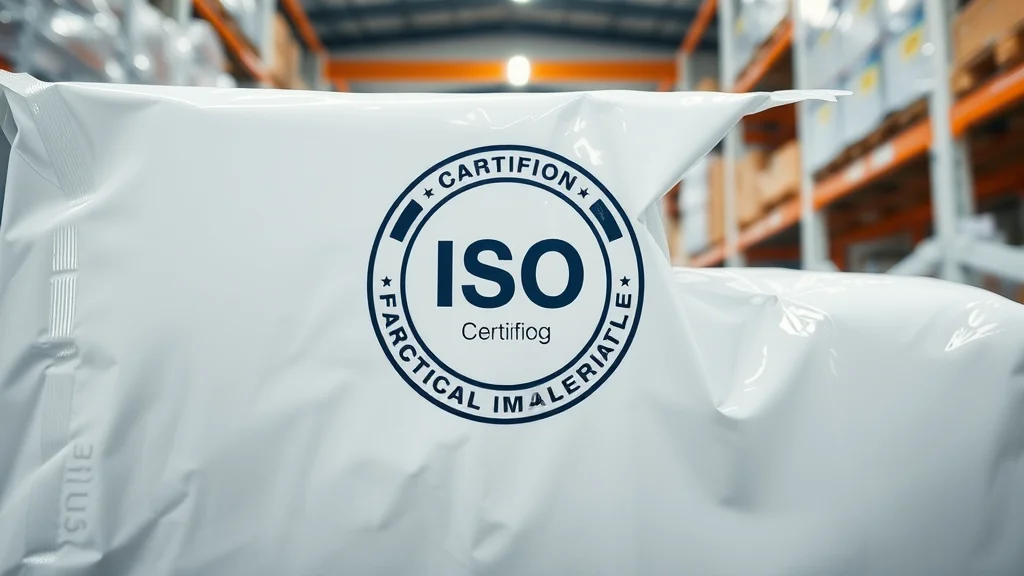
ISO certification badge on packaging of American made performance plastic material ensuring traceability and quality

Performance Thermoplastics: Features and Advantages of American Made Plastic Materials

Durability and High Performance Characteristics

Performance thermoplastics made in America are prized for their strength, thermal stability, and resistance to impact and wear. These specialized polymers maintain their properties over extended periods, even in harsh environments.

Such durability translates into longer lifecycle components and reduced maintenance—key benefits for aerospace, medical devices, and industrial equipment manufacturers. Choosing American made performance plastics guarantees access to materials that can perform reliably under challenging conditions.

Applications Across Aerospace, Medical, and Industrial Sectors

Beyond aerospace, American made performance plastics find application in medical devices, food processing machinery, and heavy-duty industrial manufacturing. Their ability to meet tight tolerances through advanced fabrication techniques like injection molding makes them highly versatile.

Injection Molding and Tight Tolerance Manufacturing

Injection molding with these thermoplastics produces precise shapes with fine detail, essential for components that must fit perfectly within complex machinery or assemblies. The combination of material performance and manufacturing precision sets American sourced plastics apart.

Injection molding process of American made performance plastics with technician operating robotic arms in industrial setting

Comparing American Made Performance Plastics to Imported Alternatives

Quality Control and Material Consistency

Imported plastics often cannot match the rigorous quality standards held by American manufacturers. Variability in raw materials and production processes overseas can lead to inconsistent mechanical properties, risking failures.

By contrast, American made performance plastics undergo strict inspections and quality assurance protocols, minimizing variability. This consistency supports applications where uniformity is crucial for safety and reliability.

Supply Chain Reliability and Lead Times

Domestic sourcing also improves supply chain security. American suppliers typically offer shorter lead times and more reliable delivery schedules than overseas alternatives. This logistical advantage helps manufacturers meet production deadlines and reduces inventory risks.

Choosing American made supplies reduces vulnerabilities connected to international shipping delays, tariffs, and customs complexities.
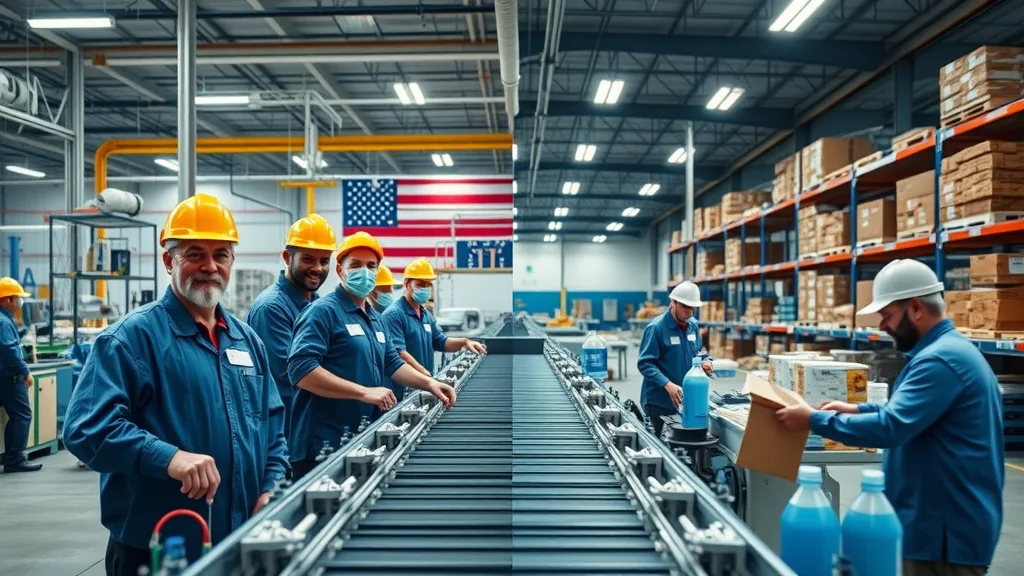
Split image showing organized American made performance plastics production line vs less organized imported plastics warehouse

What You'll Learn: Key Takeaways on American Made Performance Plastics

  • American made performance plastics offer superior durability and reliability compared to standard plastics.
  • ISO certification and traceability are essential for ensuring material quality in critical industries.
  • Sourcing from North American manufacturers supports consistent quality and compliance.
  • Performance thermoplastics are versatile and suitable for demanding applications including aerospace and medical.
  • Choosing trusted suppliers reduces risk and improves end product performance.

People Also Ask

Who is the biggest plastic manufacturer in the US?

The largest plastic manufacturer in the US is considered to be Chevron Phillips Chemical Company, known for producing a wide range of performance plastic materials.

What are the examples of high performance plastics?

Examples include PEEK (Polyether ether ketone), Ultem (Polyetherimide), and PPS (Polyphenylene sulfide), known for their high-temperature resistance, chemical stability, and mechanical strength.

What are America's plastic makers?

America’s plastic makers encompass companies like Sabic, Celanese, and Industrial Plastic Supply, which specialize in engineering and performance plastics manufactured domestically.

Who is the CEO of American Plastics?

The CEO of American Plastics Council (a major industry association) is currently [Insert Current CEO Name]. For company specifics, such as Industrial Plastic Supply, leadership details can be found on their official website.

Conclusion: Why American Made Performance Plastics Should Be Your First Choice

Aiden concludes, "Making sure that you're getting quality material from quality manufacturers gives you a quality end product."

Call to Action

  • For more information visit: https://iplasticsupply.com/
  • Or call: (714) 978-3520

Sources

  • Industrial Plastic Supply Official Website
  • ISO Certification Overview - ISO.org
  • Chevron Phillips Chemical Company
  • American Chemistry Council - Plastics Industry
high density plastic

19 Views

0 Comments

Write A Comment

*
*
Related Posts All Posts
02.27.2026

Why Size and Capacity are Critical in Plastic Injection Molding Operations

Update Understanding Size and Capacity in Plastic Injection MoldingPlastic injection molding is a cornerstone of modern manufacturing, particularly for small to medium-sized machine shops that play a crucial role in various industries. The size and capacity of the injection molding machine directly influence the quality and consistency of the produced components. Selecting the right machine ensures a smooth production process and prevents common manufacturing defects like flashing and warping.Precision Matters: Ensuring Quality in Large ComponentsAchieving precision in large components hinges on matching machine capabilities with part requirements. Utilizing the proper tonnage is essential; low tonnage can result in molten polymer pushing apart mold halves, leading to defects. An adequate clamping force, simplified as 2-5 tons per square inch of the part’s projected area, maintains part integrity and prolongs mold lifespan.A Deep Dive into Injection CapacityInjection capacity, or shot volume, is equally important. Machines must accommodate not just the part volume but also the associated runners. This calls for a safety margin of 20-30% to safeguard against short shots or voids. Properly matching shot volumes leads to complete fills, enhancing structural integrity and reducing potential rework. It's about finely balancing the molten material to the requirements of the mold to prevent costly defects.Optimizing Efficiency and CostIn the fast-paced world of large-scale production, efficiency and cost control are paramount. By understanding how machine capacity, cycle times, and material usage interplay, engineers can streamline processes, thereby reducing waste and maintaining consistent quality. Machine sizing also plays a significant role; aligning press size with part dimensions not only prevents production delays but also saves energy and resources.The Risks of Overcapacity in Injection MoldingWhile it might seem advantageous to have excess injection capacity, this can be misleading. Overpacking the mold can lead to internal stresses and inaccuracies in the final product. It’s crucial to adhere to specified capacity limits to maintain dimensional accuracy and surface quality. Employing flow simulations during the early stages of design can mitigate the risk of defects and enhance the overall production outcome.Conclusion: Ensure Quality and Efficiency in ProductionFor small to medium-sized machine shops striving for excellence in plastic injection molding, understanding size and capacity cannot be overstated. Selecting the right machines, maintaining precise conditions, and optimizing processes help in achieving reliable and high-quality outcomes. To learn more about how to further refine your operations, visit us today.

02.25.2026

Maximize Your Production Line Efficiency with Top Conveyor Systems

Update Understanding the Role of Conveyor Systems in Plastics Manufacturing In the expansive world of plastics manufacturing, production line conveyor systems serve as the backbone for efficiency and consistency. These systems, particularly belt conveyors, are designed to minimize manual handling, thereby enhancing product quality and operational throughput. With variations such as flat-bed, incline, and swan-neck conveyor designs, manufacturers can effectively transport parts from one stage of production to another—ensuring a seamless flow of materials throughout the manufacturing process. Why Selecting the Right Supplier Matters The choice of conveyor system supplier can significantly impact productivity and reliability. A well-designed conveyor system needs to integrate optimally with existing machinery, ensuring smooth operations without interruptions due to downtime or malfunctions. This is especially critical in sectors needing precise processes, such as food and pharmaceuticals. Working with reputed suppliers like JENCO and Summit Systems ensures that businesses receive not only quality equipment but also ongoing support tailored to their specific needs. Innovative Features to Enhance Productivity Modern conveyor systems are more than simple transport solutions; they come equipped with advanced features such as weighing, counting, and sorting capabilities, which enhance automation in production lines. For instance, automated bagging systems can determine weight and counts before switching to new containers, which significantly cuts down on manual labor and possible human errors. Integrating hygienic specifications is also paramount, especially for food and pharmaceutical industries, to prevent contamination. Customization: The Key to Operational Efficiency Every production line is unique, and thus the flexibility offered by custom conveyor solutions is invaluable. Companies such as Dorner and Custom Conveyor Equipment excel in providing tailored conveyor designs that cater to specific workflow needs. Their consultative approach involves working alongside customer teams to create systems that address both current production challenges and future scaling needs. This not only optimizes efficiency but leads to a notable increase in production rates and profit margins. Future Trends in Conveyor Technology As technology continues to evolve, so does conveyor system innovation. Future conveyor designs are likely to incorporate artificial intelligence and IoT technologies, which can facilitate smart manufacturing environments. These advancements would enable real-time data analytics for tracking system performance and early detection of potential issues, further solidifying their role as a vital asset in manufacturing. Practical Insights for Selecting Conveyor Systems When selecting conveyor systems, it’s essential to consider several key factors that influence the system's effectiveness, such as: Compatibility with existing machinery: Ensure that new conveyor systems can integrate seamlessly with current production processes. Durability of materials: Select conveyor belts made from suitable materials that meet the hygienic and environmental challenges of your industry. Automation options: Look for systems that offer integrated sensors and control mechanisms to streamline production further. Using these insights, manufacturers can choose a conveyor system and supplier that addresses their operational needs, enhances productivity, and conserves resource investments. Conclusion: Taking the Next Step in Operational Excellence For small to medium-sized machine shops, understanding the intricacies of conveyor systems is paramount to maintaining operational excellence. By selecting reputable suppliers and customizing solutions to fit specific needs, businesses can drive efficiency and sustain growth in the competitive plastics manufacturing market. For more information on how to enhance your operations with advanced conveyor systems, visit iPlastic Supply, your one-stop destination for high-quality plastic materials and tools.

02.20.2026

Unlocking the Future of Products: How Co-Extrusion Transforms Plastic Design

Update Understanding Co-Extrusion: A Game Changer in Plastic ManufacturingPlastic manufacturing has undergone a significant transformation with the advent of co-extrusion, a groundbreaking technique redefining how materials can be combined. Traditionally, manufacturing processes relied on single-material components, but the increasing demand for specialized products has led to the need for more innovative solutions. Co-extrusion enables the simultaneous extrusion of two or more materials through a single die, creating integrated profiles that enhance product durability, aesthetics, and functionality.The Benefits of Co-Extrusion Simplifying ProductionOne of the key advantages of co-extrusion is its ability to streamline manufacturing processes, reducing both production time and costs. Unlike traditional methods that typically require separate manufacturing steps for each material, co-extrusion merges multiple materials into a single step. This simplification not only lessens the potential for errors during assembly but also minimizes labor and operational expenses, making the manufacturing process more efficient.Design Freedom: Pushing the BoundariesWith co-extrusion, engineers and designers can explore far greater design possibilities. By allowing designers to assign specific properties to different layers of material, co-extrusion opens up new avenues for creativity. For instance, a product can feature a rigid inner layer for structural support and a soft outer layer for comfort and grip. Such combinations are vital in creating complex, functional products while preserving the material's individual properties.Enhancing Product Aesthetics with Functional SurfacesCo-extrusion goes beyond mere functionality; it also allows for enhanced aesthetics. The surface layers can be customized for color, texture, and finish without compromising the core material’s integrity. This flexibility is crucial for products that need to appeal visually to consumers while maintaining high performance. Whether it's adding brand colors, improving the tactile feel for consumer products, or creating visually distinct designs, co-extrusion facilitates a tailored approach.Cost Efficiency: Targeting Material UseAnother significant benefit of co-extrusion is its ability to control material costs effectively. By strategically placing high-cost materials only where they are most needed—a thin outer layer, for example—manufacturers can optimize resource use without sacrificing quality. This targeted strategy promotes lower overall material costs and supports scalable production, particularly appealing to small to medium-sized machine shops and businesses looking to maximize profits.Applications Across Diverse IndustriesThe versatility of co-extrusion means it is applicable across various industries. For instance, the construction industry benefits from co-extruded window frames that require both rigidity and weather resistance. Similarly, the healthcare sector utilizes co-extrusion in medical devices, ensuring they possess the necessary properties for both safety and functionality. As this technique continues to evolve, we can expect its applications to expand into new realms, enhancing product innovationConclusion: The Future of Plastic DesignCo-extrusion has proven to be more than just a manufacturing innovation; it is a transformative approach that allows businesses to enhance their product offerings without sacrificing efficiency. For small to medium-sized machine shops, embracing co-extrusion could represent a significant step forward in optimizing production and expanding their design capabilities. If you’re interested in learning how co-extrusion can elevate your products, visit us for more information.

Terms of Service

Privacy Policy

Core Modal Title

Sorry, no results found

You Might Find These Articles Interesting

T
Please Check Your Email
We Will Be Following Up Shortly
*
*
*